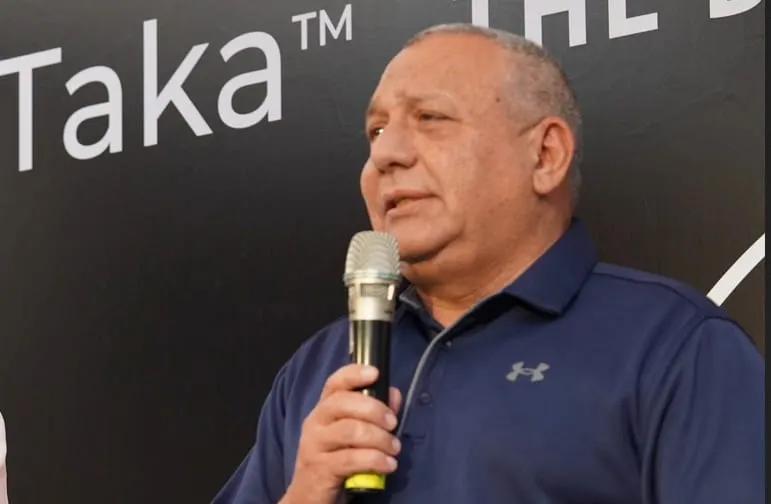
All the anti-Netanyahu factions pulled together and gave Yashar leader Gadi Eisenkot a strong majority (67 to Netanyahu’s 46) for becoming the next Prime Minister. This was announced by Israeli President Isaac Herzog after he finished meeting today with all of the parties in the Knesset. Herzog called the result “clear,” though he added, as reported by the Times of Israel, that he would hold further talks with party leaders to clarify the situation before assigning the mandate to form a government on Sunday.
A remaining complication is that, as reported by Channel 12 news, the weak link in Eisenkot’s bloc, Yisrael Beytenu party chairman Avigdor Lieberman, is still trying to keep the 19 ‘Arab’ party Knesset members out of an Eisenkot government. He has been opposed to working with both of them, but also against working with the United Torah Judaism (UTJ) party (ultra-Orthodox Haredi factions holding on to their military exemptions). Now Lieberman has declared that he’s open to working with them, instead of the Arab parties.
At the same time, the UTJ today pulled their 7 seats out of Netanyahu’s bloc, dropping his total from 53 down to 46. Apparently, Lieberman is pushing for them to join Eisenkot’s original bloc of 48 seats and not involve the Arab parties’19 votes. This would leave a new Eisenkot bloc of 55 seats, a Netanyahu bloc of 46, with the 19-seat Arab bloc ignored. Such a 55-seat ‘minority’ governing bloc is possible, but it would always need six more votes from some group to get legislation passed.
Otherwise, the Ra’am party formally joined with the Joint List and Eisenkot’s previous bloc in their first move—an early vote on a new speaker for the Knesset to replace Netanyahu’s Likud ally Amir Ohana.