London’s The Economist magazine quickly published its evaluation of the joint U.S.-Israeli attack on Iran, noting that it is gambling on bringing about regime change in Iran through a military campaign lasting just a couple of weeks. “Despite the large build-up, the two countries will only be capable of continuing a war at full tempo for a few weeks before their munition stockpiles falter. But regime change is extremely unlikely to be achieved within days and by air-power alone. Iran’s leadership has prepared for this and will be in bunkers,” The Economist wrote.
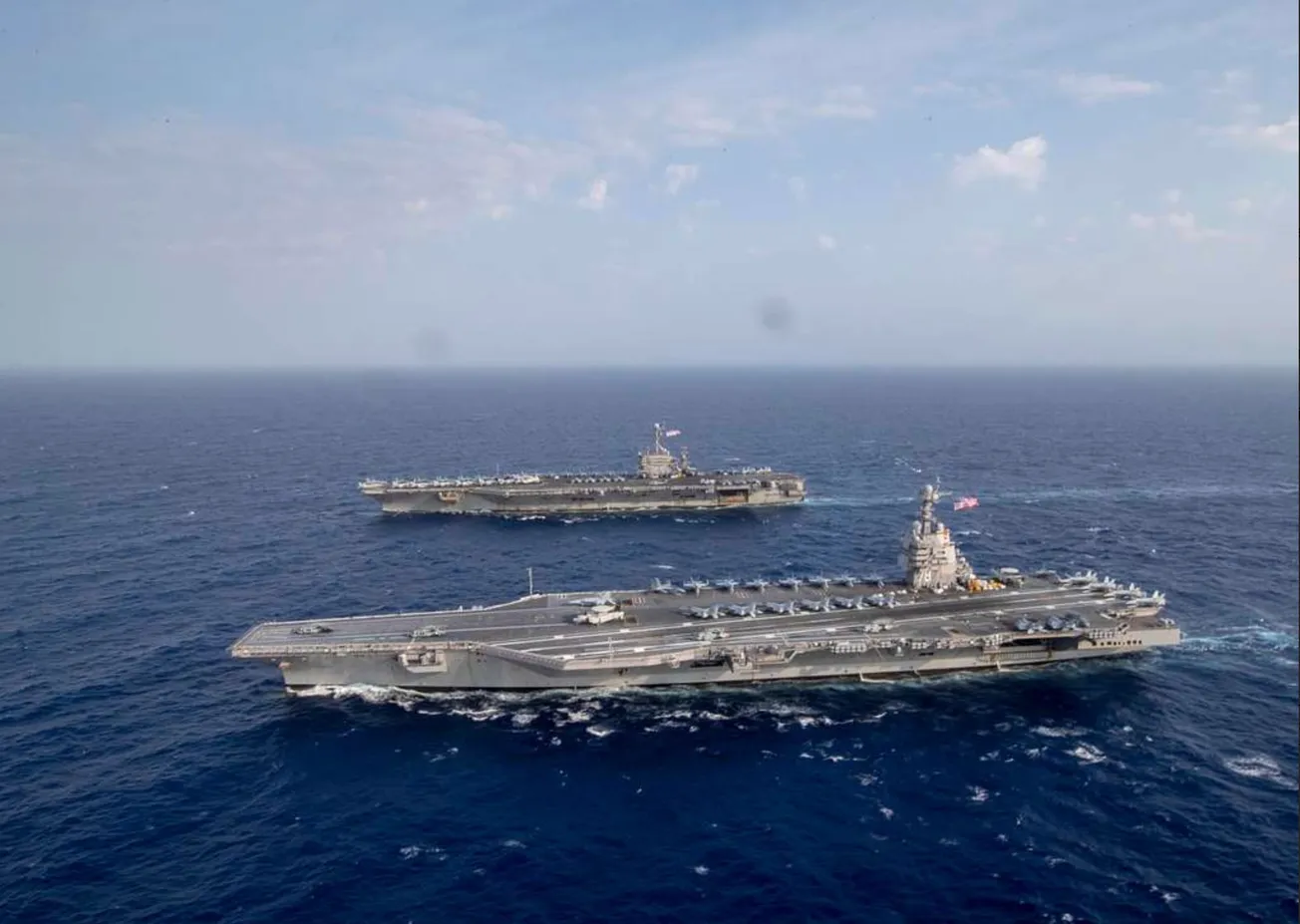
The article states the obvious, that this is “a war that could, potentially, engulf much of the Middle East.” They note the differences with last June’s attack on Iran. “This is different. First, America and Israel have begun the war together. Mr. Trump is not waiting to see how things progress before deciding to deploy long-range bombers. America has sent an armada capable, along with the Israelis, of launching hundreds of strike missions for days, perhaps weeks to come.… Israeli officials said that America and Israel would spend the next 48 hours directing all the fire-power at their disposal on Iran’s offensive capabilities, particularly Iran’s arsenal of ballistic missiles.” They also targeted the Arabian Sea port of Chabahar.
Iran, for its part, has launched a “first barrage against Israel on Feb. 28th [which] was much smaller than the equivalent strike last year. Iran’s first two barrages then were of over a hundred missiles each. That suggests Iran is calibrating its retaliation, hoping that America remains open to diplomacy.”
Trump, for his part, “will have to decide within days if enough has been achieved in the first wave of strikes to declare victory.… Although America and Israel have unleashed a mighty war machine, Iran’s Islamic regime has long been preparing for this day. It is unlikely to leave without a fight.”