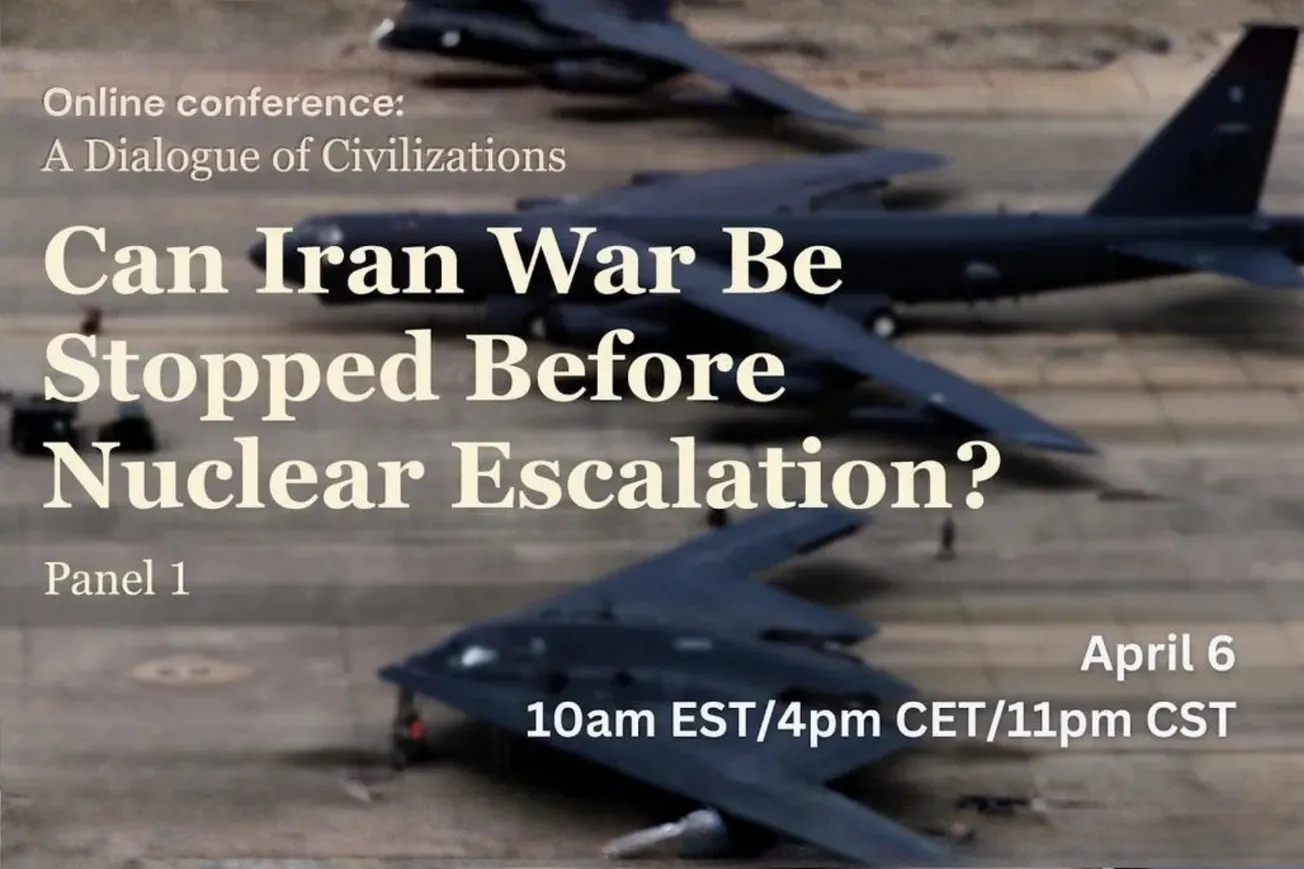

Today’s EIR Emergency Roundtable, the third since January, saw an extraordinary online dialogue among 13 international experts from 10 countries, dedicated to shifting the world off its current course of war, and onto the plane of global development and peace. The title of the event, convened on very short notice, was, “A Dialogue of Civilizations: Is There Still Time to Prevent the War Against Iran from Escalating into a Global Nuclear Conflict?”
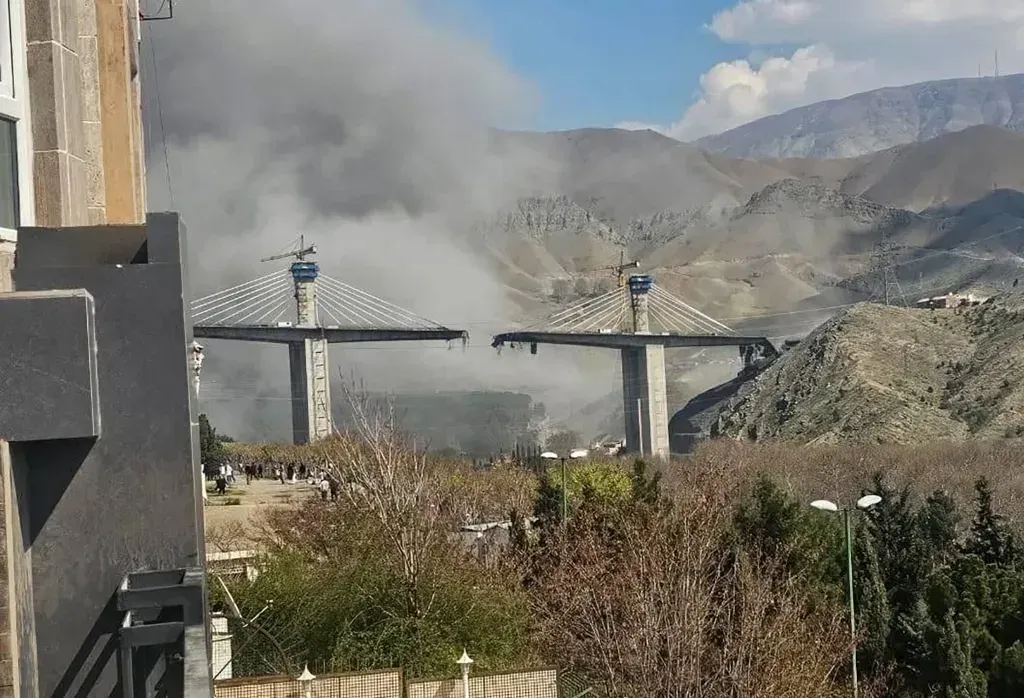
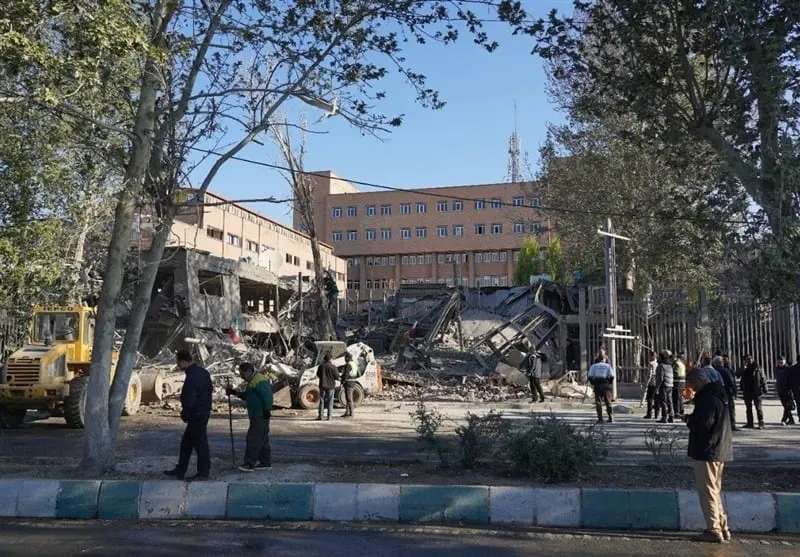
The April 6 event was an urgent, dramatic call to action which took place even as the United States is unleashing hell on Iran, and U.S. President Donald Trump is threatening them with the Stone Age. The deliberation brought together representatives of the Iranian government in dialogue with forces from around the world who are intent on stopping this trajectory.
The 4.5-hour-long event was organized into two panels, with the first titled, “Can the Iran War Be Stopped Before Nuclear Escalation?” followed by, “Global Infrastructure Development Is the New Name for Peace.” There was simultaneous interpretation available in English, French, German, and Spanish.
Speakers from Europe included Helga Zepp-LaRouche (Germany), EIR Editor-in-Chief, and leader of the Schiller Institute, who opened the discussion, and the moderator of Panel II Stephan Ossenkopp (Germany). Dennis Speed (United States) moderated Panel I, who pointed out that the experts, who came together in fewer than 10 days, represented views, “not just diverse, even divergent, but opposed.” However they share a common commitment to want emergency action to stop warfare—potentially nuclear warfare, and believe reason and diplomacy, even at this late moment, can work, and create conditions for peace and benefit for all nations.
The full video archive is available. The weekly EIR, and EIR.news, will be providing selected video excerpts and transcripts in the coming days. Follow-up action was discussed.
Asia Led the Roster
There were six speakers from Asia, beginning with Dr. Khalil Shigolami (Iran), Iran’s Ambassador to Armenia, and former Director General of the Institute for Political and International Studies in Tehran, affiliated with the Foreign Ministry. The others from Asia: Prof. Zhang Weiwei (China), Professor of International Relations at Fudan University in Shanghai, and Director of its China Institute; Ambassador Prof. Dr. Manuel Hassassian (Palestine), Palestine Authority; Purnima Anand (India), President of the BRICS International Forum; Chandra Muzaffar (Malaysia), founder and President of the International Movement for a Just World (JUST); Al Mashiki (Oman), strategic analyst.
From North America: Chas Freeman (United States), former Ambassador to Saudi Arabia, and former Assistant Secretary of Defense; Ted Postol (United States) professor emeritus of Science, Technology, and International Security at MIT; Dennis Small (United States) EIR Ibero-America Editor. From South America: Donald Ramotar (Guyana) former President of Guyana.
Oasis Plan
The Oasis Plan approach to the greater Southwest Asia, eastern Mediterranean was a focus of several speakers, first introduced in Helga Zepp-LaRouche’s opening as central to the solution, on the principle of peace through development. She reported in detail on crisscrossing the region from India to Egypt, from the Caucasus to the Arabian Sea with corridors of rail and road development, designs for water desalination and conveyance, and advanced technologies of all kinds.
Ambassador Hassassian called the Oasis Plan the key to “incentivizing development and dialogue” in Palestine and the region. Professor Zhang noted that China had succeeded in “turning its deserts green,” and could help build the Oasis Plan in Southwest Asia. Zepp-LaRouche added that the concept must be made known to the youth to inspire optimism. Amb. Freeman compared the Oasis Plan to the phoenix, which emerges from the ashes of its predecessors, so the Oasis Plan could emerge from the ruins of the destruction of Gaza.
The hopeful reality of advanced technology was reinforced as the beautiful imagery came in to Roundtable attendees, from the Artemis II spacecraft, mid-way on its mission to circle the Moon.
Backlash to U.S.-Israel Warfare
The other reality spoken of, is that the era is now over of Pax Americana, and the authority of the Trans-Atlantic in world affairs. Several speakers noted the backlash to President Donald Trump’s war on Iran. Ambassador Freeman said the war has driven certain nations to make peace with Iran rather than join in an illegal and unjust war alongside the United States. He added that the United States had killed the anti-nuclear weapon leaders of Iran, who were replaced by pro-nuclear weapon “realists.” Prof. Postol drove home the danger of nuclear war today.
The U.S.-Israeli warfare has elicited the first calls in Europe for the removal of U.S. forces. Professor Zhang said simply that the war had driven the collapse of the unipolar U.S.-led world order, and escalated the de-dollarization process
The Way Ahead
Common to all discussants was the notion that Washington has gone “morally insane,” as Professor Postol stated it, and from there came various proposals and initiatives. Chandra Muzaffar called on people around the world to contact the U.S. Congress and institutions, to activate to stop the warfare, and launch win-win development, especially for such longstanding unjust cases as that of Palestine. Ms. Anand of India spoke of mobilizing for the BRICS nations “to showcase their unity” on stopping the warfare, and to “not leave Iran to die.” EIR's Dennis Small, who outlined the economic dimension of the collapse of the Collective West, came down for a new economic security and development architecture.
Zepp-LaRouche, after discussing many initiatives concretely, came back, at the end, to the question of personal responsibility. There are two choices. She said you either turn “small,” by denial, indifference, preoccupation with what you know to be lesser matters, and so on; OR, you “reach into yourself for something better. You connect your activity and destiny in the larger issue of humanity.”