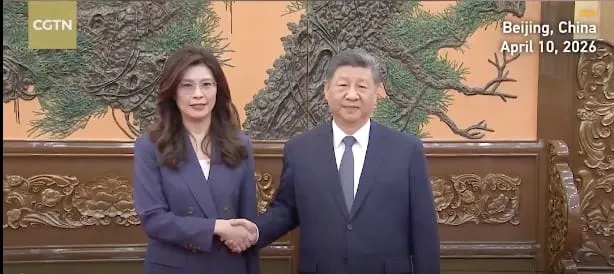
In his address to the UN General Assembly Debate, Wang Yi focused internationally on themes of peace, development, and multilateralism, and he stressed the centrality of the One China Principle.
“First, we must uphold peace and oppose war and turbulence,” he stated. “Chinese President Xi Jinping notes that peace, like air and sunshine, is hardly noticed when we are benefiting from it. But none of us can live without it. Peace is crucial for our future and it underpins common security of all countries. Turbulence and war can only open Pandora’s box, and he who instigates a proxy war can easily burn his own hands. Pursuing one’s own absolute security can only undermine global strategic stability. We should remain committed to addressing differences through peaceful means and resolving disputes through dialogue and consultation.
“Second, we must pursue development and eliminate poverty,” he went on. “Development holds the key to resolving difficult issues at the center of the international agenda, build international consensus on promoting development, and uphold all countries’ legitimate right to development.”
He concluded his list of principles: “We must uphold equity and oppose bullying. Mutual respect and equality of countries big and small is a primary principle of the UN Charter. Major international issues should be handled by all countries, and international rules should be drawn up by all countries together. No country is above others, and no country should abuse its power to bully other sovereign countries.”
Did the United States consult with developing countries before pursuing a policy of sanctions and proxy war that is driving up costs of basic economic essentials while putting all of humanity at risk of nuclear annihilation? Certainly not. It would be an expression of democracy on a global scale to follow international law and use international mechanisms.