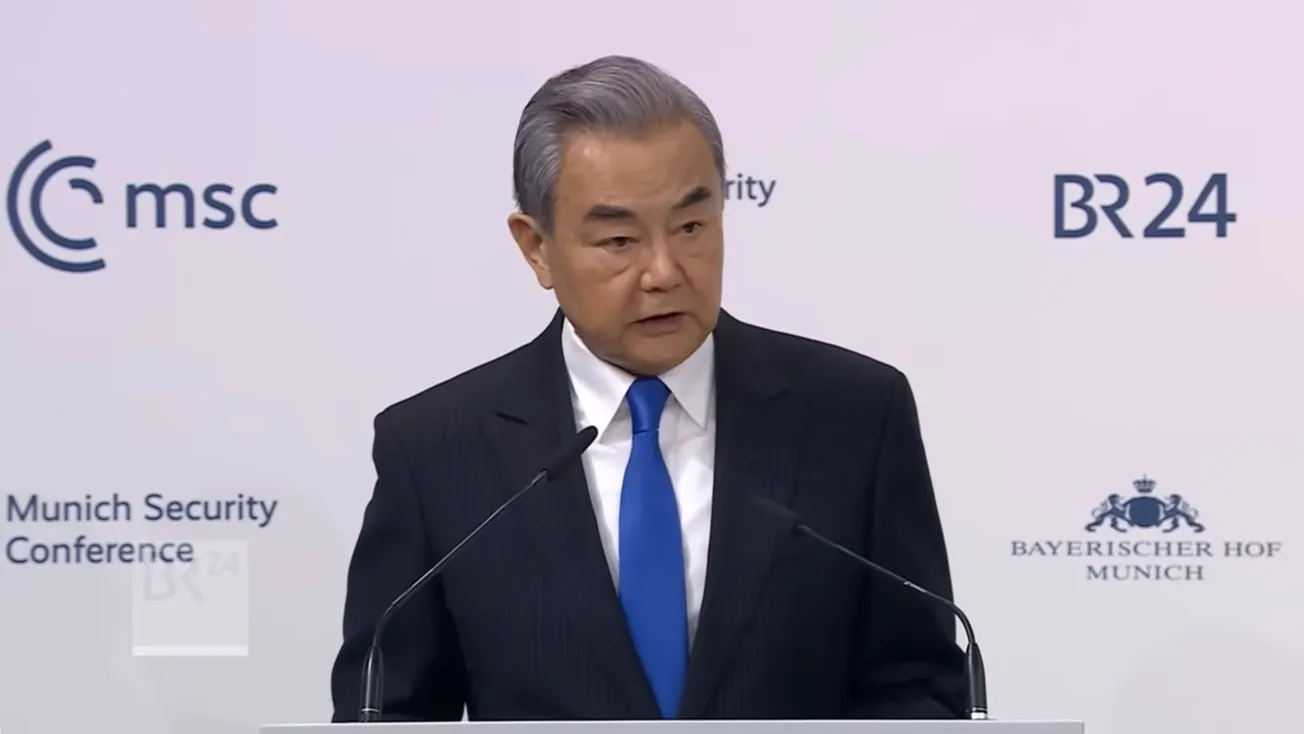

During his Sept. 22 address in Manhattan to the Asia Society, “The Right Way for China and the United States to Get Along in the New Era,” China’s State Councilor and Foreign Minister Wang Yi polemicized about “democracy.”
“By integrating electoral democracy with consultative democracy, and procedural democracy with substantive democracy, we have advanced a whole-process people’s democracy that has won the people’s full support,” he reported.
He is ironically counterposing electoral democracy—under which voters are asked to make a choice every couple of years—with consultative democracy, under which there is an ongoing collaboration between officials and the people. What good is the right to vote every two years for a person who then cares little for your views?
The contrast of “procedural” and “substantive” forms of democracy is even more biting. Elections and free speech are procedural in nature, but they do not guarantee outcomes that are truly in the interests of the people ("substantive democracy").
Ideally, these forms of democracy will coincide, as was the vision with the formation of the United States. But today, it is worthwhile to reflect on the different aspects of “democracy” and ask which nations or societies are achieving “democratic” (or demographic) success.
One other notable irony in Wang Yi’s presentation was on the assumption that a growing power will necessarily seek to build an empire. “Equating the ability to develop with an intention for expansion, or predicting China based on the beaten path of traditional powers, will both result in serious misjudgment.” How many analyses that claim China seeks to achieve world hegemony are simply echoing the worldview of their authors, rather than China? (http://us.china-embassy.gov.cn/eng/zgyw/202209/t20220923_10770469.htm)