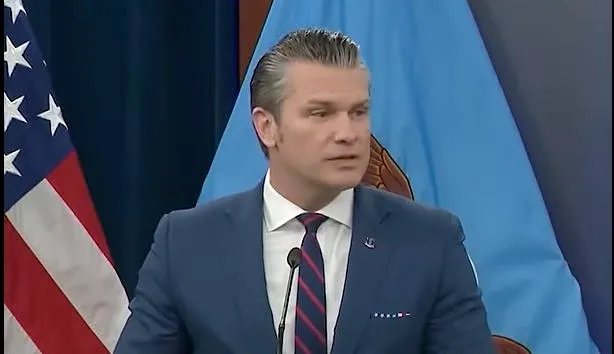
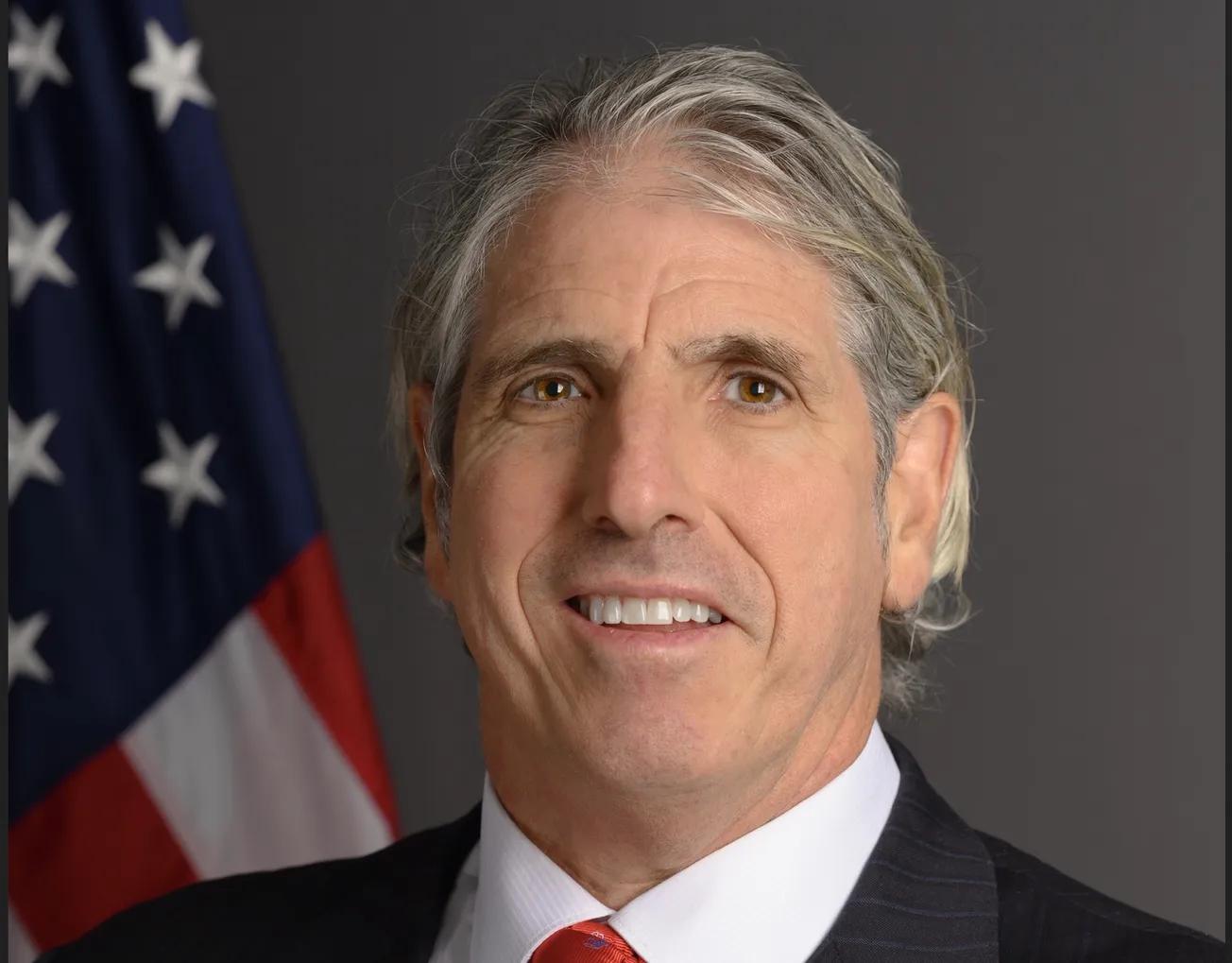
The Trump Administration demonstrated during a Feb. 6 plenary session of the Conference on Disarmament (CD) that it is applying the same logic that it applied to the U.S. withdrawal from the INF Treaty: Accuse the other side of violating the treaty, argue that staying in the treaty doesn’t serve American interests, and after setting the stage for developing and deploying the weapons that were previously prohibited, thus contributing to strategic instability among the three largest nuclear weapons powers. Thomas G. DiNanno, Undersecretary of State for Arms Control and International Security, put all of that on display in his remarks to the CD, going well beyond the previously reported accusation that China conducted a secret nuclear test in 2020.
“I am here to tell you that President Trump wants to find a better agreement,” DiNanno said at the outset, referring to New START. “Even if we could have legally extended the treaty, it would not have been beneficial for the United States—or the world—to do so.” He argued that extending the treaty makes no sense when the strategic environment of 2010, when the treaty was signed, makes no sense in 2026. “An arms control architecture designed nearly two decades ago for New START does not allow the United States to credibly uphold both our strategic deterrence commitments to the American people and our extended deterrence commitments to our allies.”
New START, he added, “reflected the geostrategic landscape of the time, and some of its elements were useful.” Despite the positive attributes of the treaty, “the shortcomings of New START placed unilateral constraints on the United States that were unacceptable.”
In addition to accusing Russia of developing weapons—the Poseidon nuclear torpedo and the Burevestnik nuclear-powered cruise missile—outside the scope of New START, DiNanno launched a full frontal assault on China. He accused China of undergoing a “massive and deliberate buildup” of its nuclear forces, “unconstrained by any arms control limitations.”
Then DiNanno got to the objective of all of this, the U.S. intentions behind letting New START lapse. “No longer constrained by the political-military circumstances of 2010 and the treaty they yielded, and in response to the destabilizing behavior of these other countries, the United States can now finally take steps, consistent with our National Security Strategy and National Defense Strategy, to strengthen deterrence on behalf of the American people and our allies,” he said. “Militarily, the expiration of New START enables the United States to take parallel steps. We will complete our ongoing nuclear modernization programs that were initiated while New START entered into force. The United States also retains non-deployed nuclear capacity that can be used to address the emerging security environment, if directed by the President. Such actions include expanding current forces, diversifying our capabilities, developing and fielding new theater range nuclear forces, and adapting our extended deterrence posture as necessary.”