The Lead
Global Majority Demands: When Are We Going To Say That Colonialism at the Barrel of a Gun Is Not Normal?
by Dennis Small (EIRNS) — Mar. 29, 2026
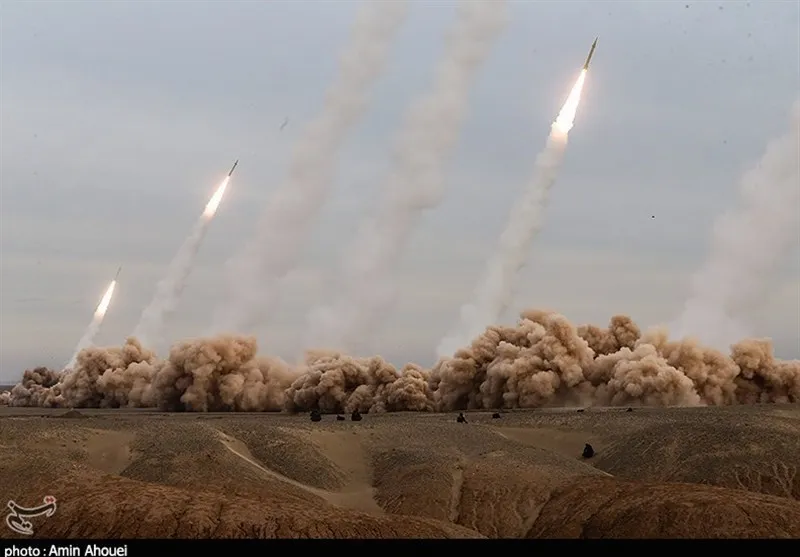
For readers who live in the United States and Europe, it is frequently difficult to step outside the mental sandbox created for us by the mass media to take in what is happening in the entire world. After all, the U.S. only represents a little over 4% of the world’s population; Europe an additional 9%. This is particularly important when mobilizing to stop the London-led deadly drive towards nuclear confrontation with Russia and China, now using the wars in Iran and Ukraine as proxies.
Schiller Institute founder Helga Zepp-LaRouche has repeatedly asserted, as she did again in her March 25 webcast, that “what we are discussing here [by way of solutions to the crisis] is being discussed in the entire world, especially by the Global Majority. And these countries intend to end the period of 500 years of colonialism, basically through the Belt and Road Initiative, and the BRICS, and similar efforts. I don’t think they will give up that absolutely legitimate effort.”
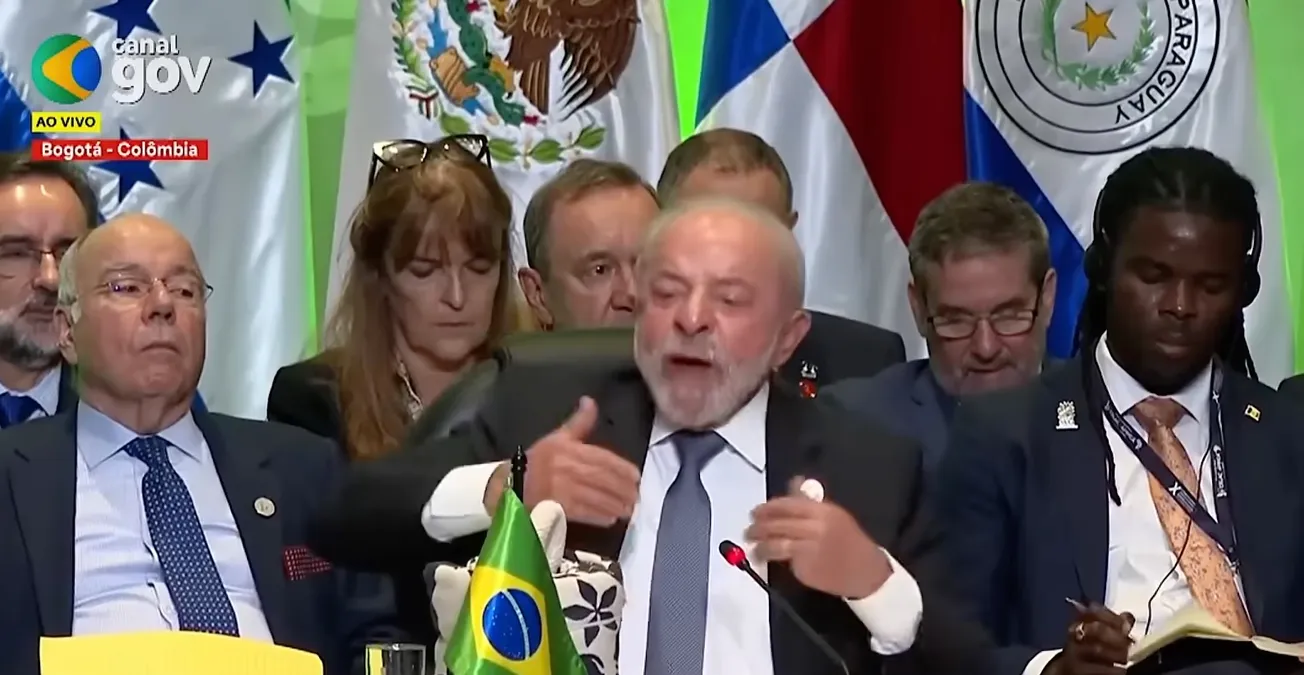
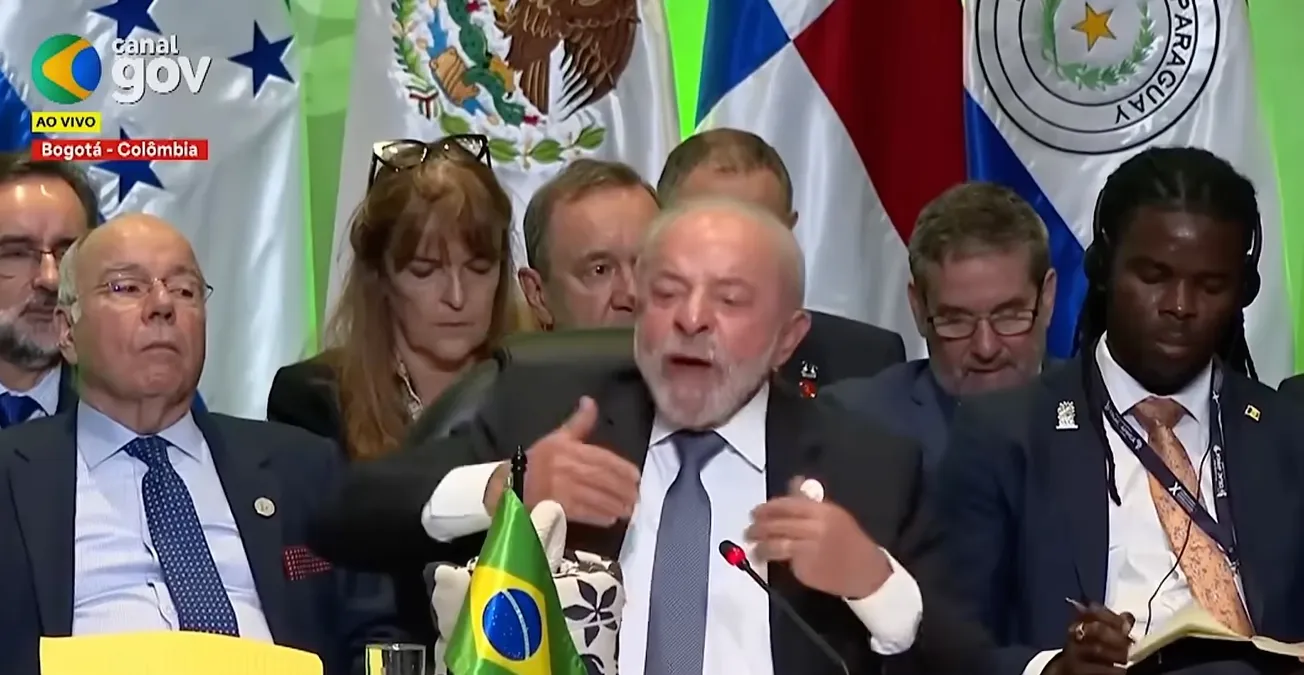
Compare that to what was just stated by President Lula da Silva of Brazil, one of the founding members of the BRICS, in a March 21 address to the CELAC-Africa High-Level Forum in Bogotá, Colombia: “We are no longer colonized countries. We achieved sovereignty with our independence. We cannot allow anyone to interfere and violate the territorial integrity of each country,” he warned. “When are we going to take action to prevent the most powerful countries from acting as if they own the most fragile ones? … Does whoever has more cannons, more ships, more planes, more money, think they own the world? “
Lula demanded: “When are we going to say that this is not normal? When are we going to say that we want to restore civilized relations among nations, that we will not allow the end of multilateralism, and that we will ensure that only peace can enable the poor world to develop? … And when are we going to react?”
Lula was relentless: “They’re trying to colonize us again,” he warned, mentioning the cases of Cuba and Venezuela. “We need to shout loud and clear so that this doesn’t happen in other countries—as it recently did in Gaza.”
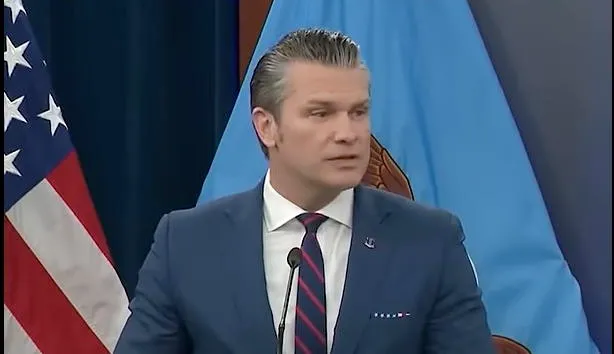
EIR is organizing an emergency roundtable dialogue to discuss just such issues and solutions, tentatively scheduled for April 6. That is also the date that U.S. President Donald Trump has announced as his “postponed deadline” for Iran, after which he said he will resume bombing Iranian energy and industrial infrastructure, unless Iran capitulates to America’s demands for unconditional surrender. There is of course no guarantee that Trump will hold off until April 6 on a new round of attacks, and in fact Israel has already continued bombing Iran’s steel plants, the Bushehr nuclear energy plant, and so on. And there is also a possibility, perhaps even a likelihood, that Trump will try to put American soldiers on the ground in Iran—despite the lunacy of the idea.
So we are in a race against time. Alternative policies must be presented, debated and implemented in record time. The policy required for the entire region—from India to the Mediterranean, from the Caucasus to the Persian Gulf—is one of reconstruction and Dialogue of Civilizations, such as the Oasis Plan proposed in 1975 by the renowned American economist and statesman Lyndon LaRouche, and today updated by Helga Zepp-LaRouche and the Schiller Institute.
“We need to have the idea of joint economic development based on the concept of the Oasis Plan for the entire region,” Zepp-LaRouche told the March 27 meeting of the International Peace Coalition. “First, to have canals from the Mediterranean to the Red Sea and the Dead Sea; use peaceful nuclear energy for vast amounts of desalinization of ocean water, to use that to green the desert, to build forests, farmland, orchards, and basically use that water to feed an infrastructure. Thereby we could build development corridors, like connecting the China-Pakistan corridor and the North-South transport corridor from St. Petersburg to Chabahar and possibly beyond into India, and connect it with other development corridors, connecting these countries with Turkiye, with Africa, with Europe. Because in ancient times, that region was the place of the ancient Silk Road, and at that time it was the hub for connecting the three continents through trade, exchange of science, of technology, of art, of ideas, of philosophy. And that is what that region can become again.”
Contents
Strategic War Danger
- Pakistan Hosts Meeting with Saudi, Turkish and Egyptian Foreign Ministers To 'De-escalate Tensions' (↓)
- Is a U.S. Ground War About To Begin in Iran? (↓)
- Two Iranian Universities Bombed; IRGC Threatens Symmetric Response (↓)
- Trump Humiliates Saudi Crown Prince at Saudi-Backed Forum (↓)
- Zelenskyy Demands Nuclear Weapons… Again (↓)
New World Paradigm
Collapsing Imperial System
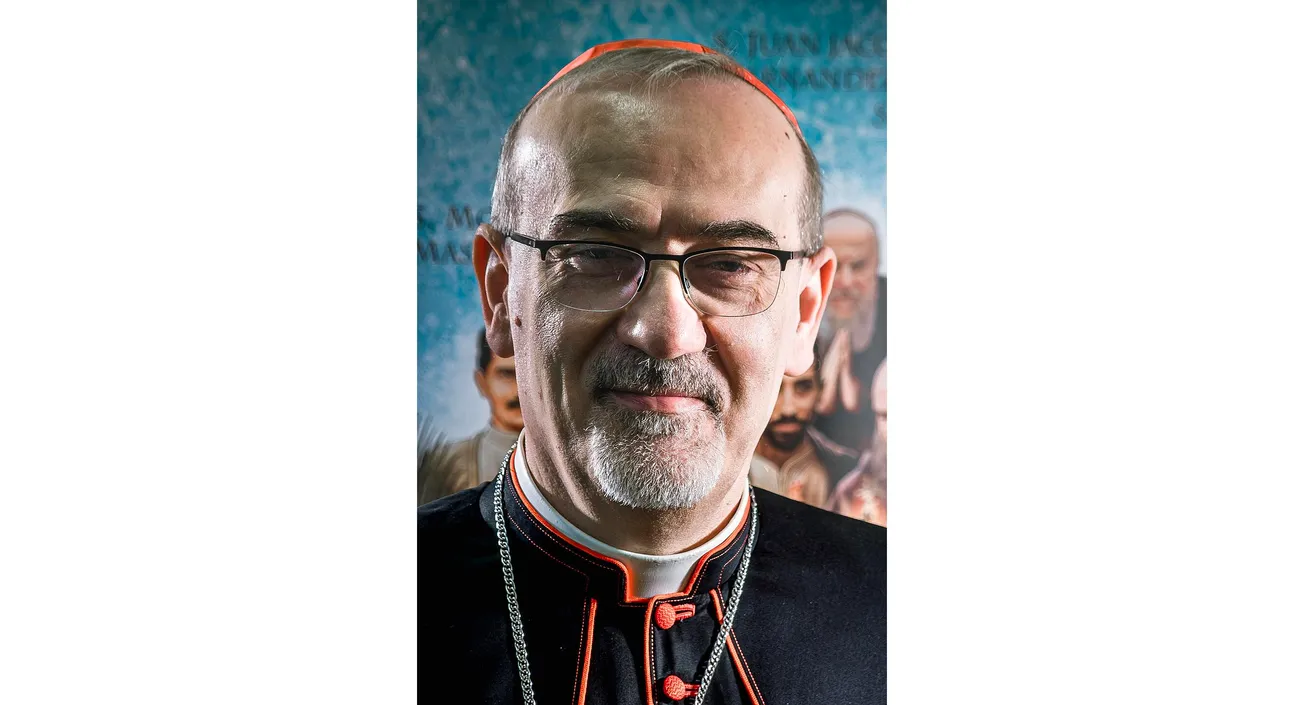
- Israeli Police Prevent Latin Patriarch from Entering the Church of the Holy Sepulcher; Action Backfires (↓)
- Iran War Cuts Fertilizer Usage in Food-Exporting Countries (↓)
U.S. and Canada
Harley Schlanger Update
Watch The Daily Update with Harley Schlanger, a short video update available every weekday morning from The LaRouche Organization.