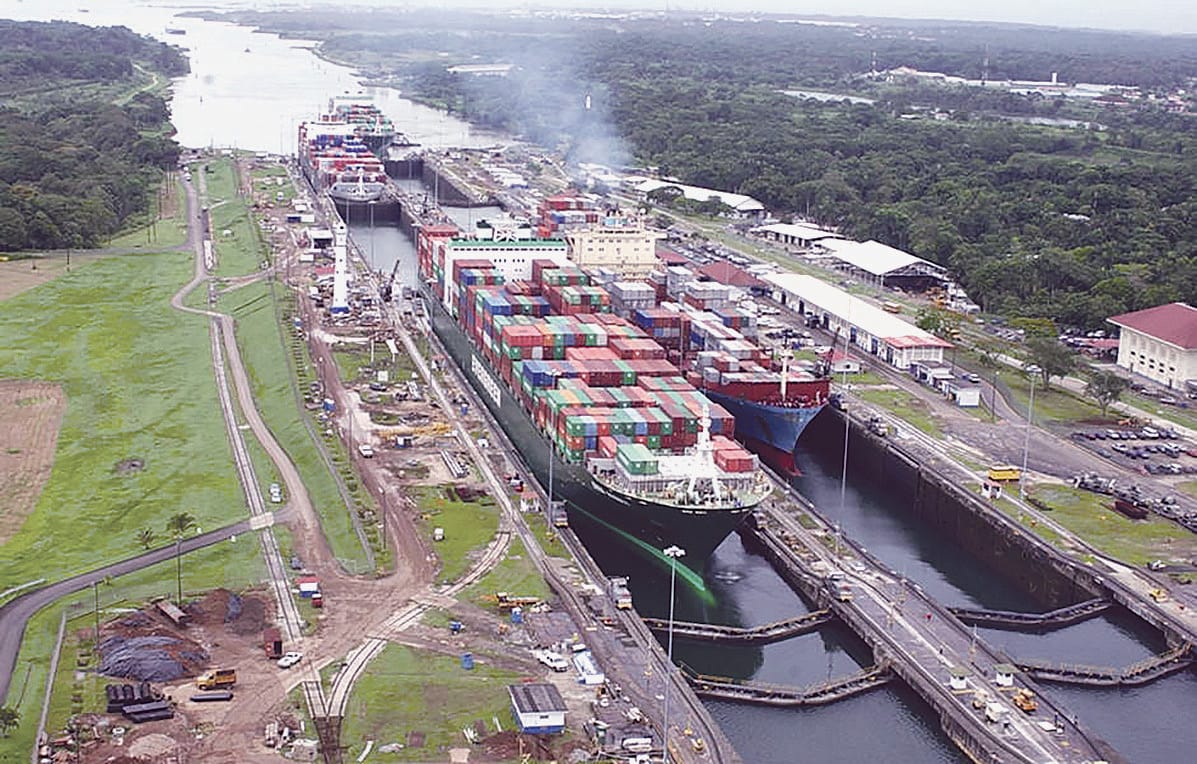
Feb. 26—The United States’s National Security Strategy (NSS), released on Dec. 5, 2025, announced 1) that U.S. President Donald Trump’s administration intends to establish “a hemisphere that remains free of hostile foreign incursion or ownership of key assets,” and 2) that therefore the United States will intervene into the region as it sees fit, since “rigid adherence to non-interventionism is not possible. We will deny non-Hemispheric competitors the ability to … own or control strategically vital assets in our Hemisphere … military installations, ports, and key infrastructure.”
That imperial strategy is well underway. Combining overwhelming military force and economic warfare, in the last two-and-a-half months, the United States has seized Venezuela’s oil industry and dictates policy to the Venezuelan government as it chooses; moved to cut off Cuba’s electricity and energy supply, creating an unconscionable humanitarian disaster; and forced the Panamanian government to forcibly eject the private Chinese company, CK Hutchinson Holdings Limited, from its management of the ports on either end of the Panama Canal.
On February 11, the U.S. State Department’s Bureau of Western Hemisphere Affairs signaled that the United States has now turned its economic and military guns on Peru and its Chancay Port. The Bureau issued a statement professing U.S. “concern” over reports “that Peru could be powerless to oversee Chancay, one of its largest ports, which is under the jurisdiction of predatory Chinese owners.” The statement proclaimed that the United States will take it upon itself to “support Peru’s sovereign right to supervise critical infrastructure in its own territory.”
What repugnant cynicism from a government which has declared Peru and all of South America to be its backyard, their natural resources to belong to the United States, and that the U.S. has the right to impose that policy by force!
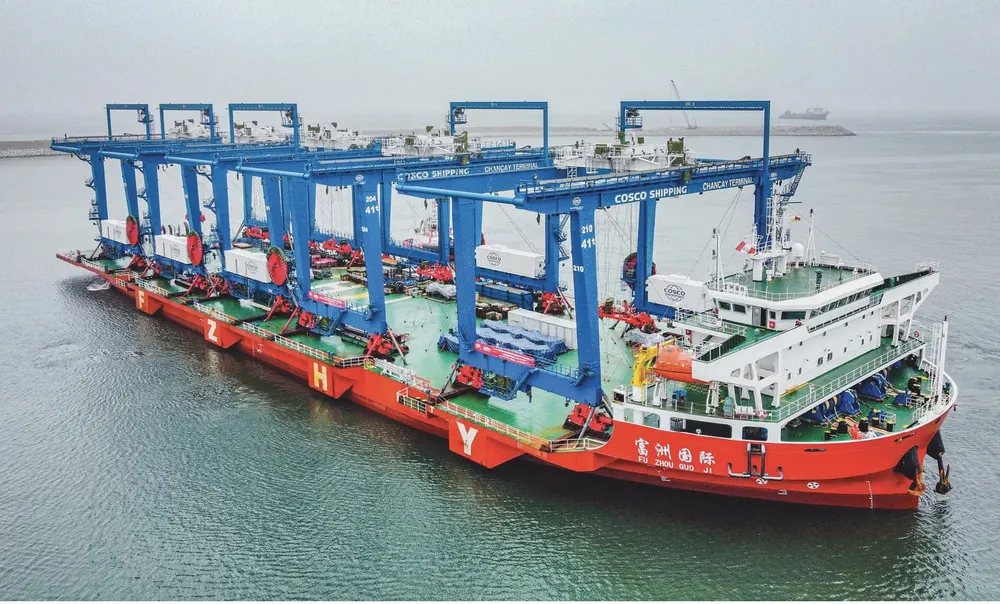
Compare that to China, which financed and built the port of Chancay—the most advanced in the entire American hemisphere—and has repeatedly demonstrated its willingness to invest in other types of infrastructure critical to the economic development of Peru and the South American continent, up to building transcontinental railways. Its direct investment does not represent any financial burden for Peru, as what this country owes to Chinese banks is insignificant.
China well understood the intent of the U.S. State Department’s assertion. “China firmly rejects and strongly deplores the blatant slander and defamation by the United States against the Port of Chancay in Peru,” Lin Jian, spokesperson for the Chinese Ministry of Foreign Affairs, responded the next day.
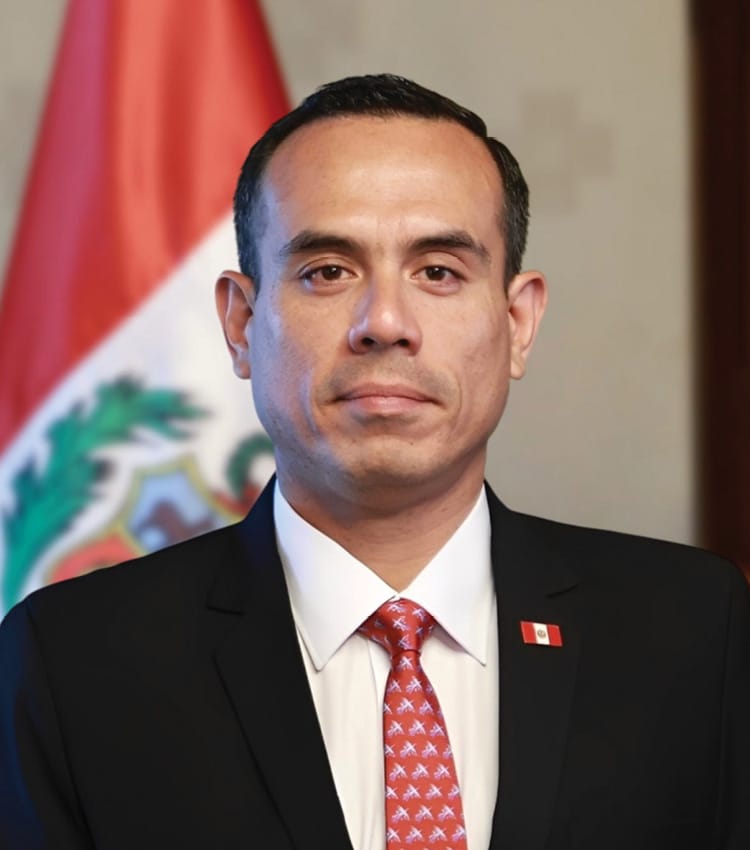
At this point, there is no doubt that Peru is now a hot spot in the confrontation between China and the United States. The Bureau’s declaration of intent came as Peru’s media was flooded with scandalous cries that Interim President José Jerí had held “secret” meetings with Chinese businessmen in Lima’s chifas (Chinese restaurants). On the basis of these innuendos that he might, maybe, be on the take from Chinese businessmen, on February 17 the Peruvian Congress voted to remove Jerí from office. Peru has been thrown into political turmoil (again), with a smear against China at the center.
Peru’s Links with China Have Deep Roots
Peru is not important only because of its geostrategic position as the most suitable geographical point for connecting South America economically and commercially with the Pacific Basin—today by far and away the dynamic center of the global economy. China is also now the main economic partner of Peru and South America as a whole.
The importance of the Chinese economy for Peru is unprecedented. Peru’s trade with China constitutes almost 35% of its overall exports and 30% of imports, a very favorable balance for Peru. China has invested extensively in developing the country’s mining and energy resources, owning, for example, the Chaglla hydroelectric plant in eastern Peru, which is the third-largest hydroelectric plant in Peru.
But in addition to the economic ties, there is an ancient historical and cultural bond that unites Peru and China. More than 10% of Peru’s people—that is more than three million people—are descended from Chinese immigrants who arrived in Peru in the mid-19th Century. Today, the migration of small Chinese entrepreneurs to Peru is impressive; Lima’s urban landscape, with the many Chinese people and its ever-present Chinese restaurants known as chifas, is taking on aspects of being a Chinese city.
There are other ties. The cultural matrix of the Inca empire, which still survives in the Peruvian highlands, is guided by the concept of “Andean reciprocity,” very similar to the “win-win” concept promoted by China internationally. China’s concept of infrastructure connectivity implemented through the Belt and Road Initiative (BRI) is likewise coherent with the ancient Inca policy of basing the expansion of its empire around the construction of the Qhapaq Ñan, the network of roads which was used primarily to ensure the food supply for the settlements located at differing ecological levels over an area of more than 40,000 kilometers which today encompasses the territories of Peru, Chile, Ecuador, and parts of Argentina, Bolivia, and Colombia. This coherence ensures that a world order based on solidarity and shared benefits between countries, as promoted today by the BRICS, is quickly understood by the population.
South America Enters the Belt and Road Initiative
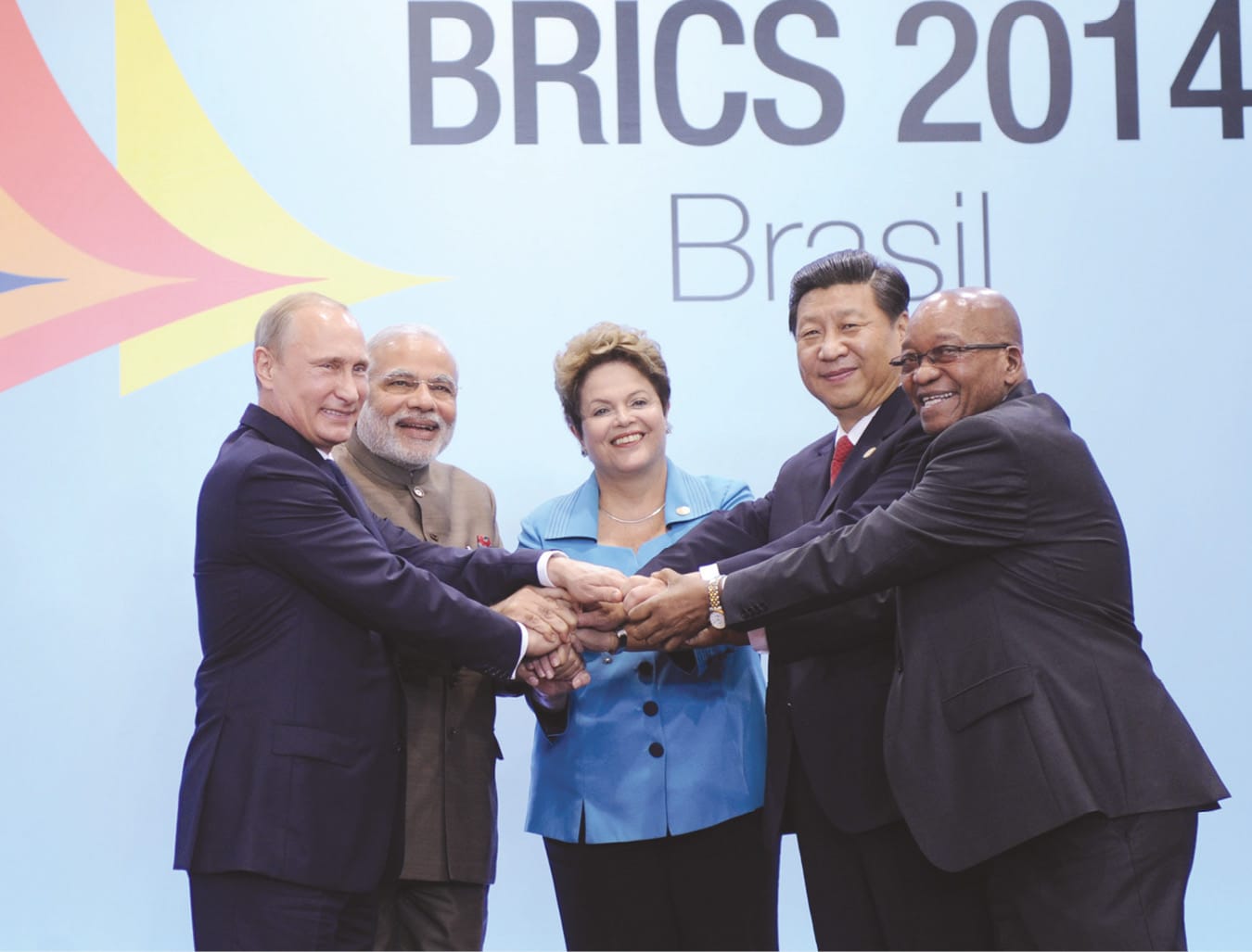
The sixth summit of the BRICS nations, held in 2014 in Fortaleza, Brazil, was the key turning point for the Belt and Road Initiative in South America. This was the summit where the then-five BRICS-member nations agreed to establish their own New Development Bank. The BRICS leaders met the next day with the other heads of state of South America, among them Peru’s President Ollanta Humala, who there signed with Chinese President Xi Jinping the first Peru-China “Strategic Alliance.”
Peru, Brazil, and China then signed the “Statement of Cooperation on Bi-Oceanic Railway Connection,” in which the three nations agreed to jointly study the feasibility of transforming the infrastructure and logistics in the region by building a transcontinental railroad linking the Pacific and Atlantic coasts of South America.
This railway, whose pre-feasibility studies were financed by the Chinese government, would link a Peruvian port in the north of the country with the port of Santos in São Paulo, Brazil, extending more than 5,000 kilometers. Chinese President Xi Jinping offered to finance not only the feasibility studies, but also the construction of the railway itself, at an estimated cost of more than $60 billion. That cost would be paid back over 30 years from part of the freight fees collected by the railway.
That 2014 proposal by China was coherent with the program that the LaRouche political movement in Peru had presented for the 1990 general elections. Written by this author even before China’s economic miracle had occurred, the program proposed, as its title said, that Peru become “Ibero-America’s Gateway to the Pacific Basin”:
Not all is discouraging in the world’s political and economic situation. As the empires collapse, a number of new economic and political processes have been emerging in recent years which suggest that the world may be turning back towards rediscovering economic progress, regaining its direction and industrializing the Third World. Our country and the continent will not be left out of these processes, which are unfolding very dynamically.
First, we must turn our eyes to what is happening in Southeast Asia and what has come to be known as the Pacific Basin, a region which has the highest economic growth rates in the world and moves the largest volume of trade worldwide. These are very interesting processes which in one way or another are already knocking on our country’s door….
Peru is the key crossroads of the Pacific Basin and South America, and this fortunate circumstance should be the starting point for designing the Peru we must build in the coming decade.
That program proposed an entire network of railways, highways, and waterways linking the Pacific Ocean to South America’s Orinoco, Amazon, and Rio de la Plata river basins, making possible the true integration of the South American nations.
U.S. Financier Imperialists Say ‘No!’
Since 2013, when China declared its intention to build the Maritime Silk Road and began investing in South America, U.S. governments have waged differing modes of hybrid warfare with the aim of blocking Chinese investments for the economic development of South America. To the old instruments of low-intensity warfare, political and social destabilization, creating violence and internal instability, even using drug trafficking mafias and terrorism, institutional pressures and financial warfare have been added. With these instruments, they recently brought Panama to its knees, provoked a regime change in Ecuador, and kept the insane Zionist President Javier Milei in power in Argentina.
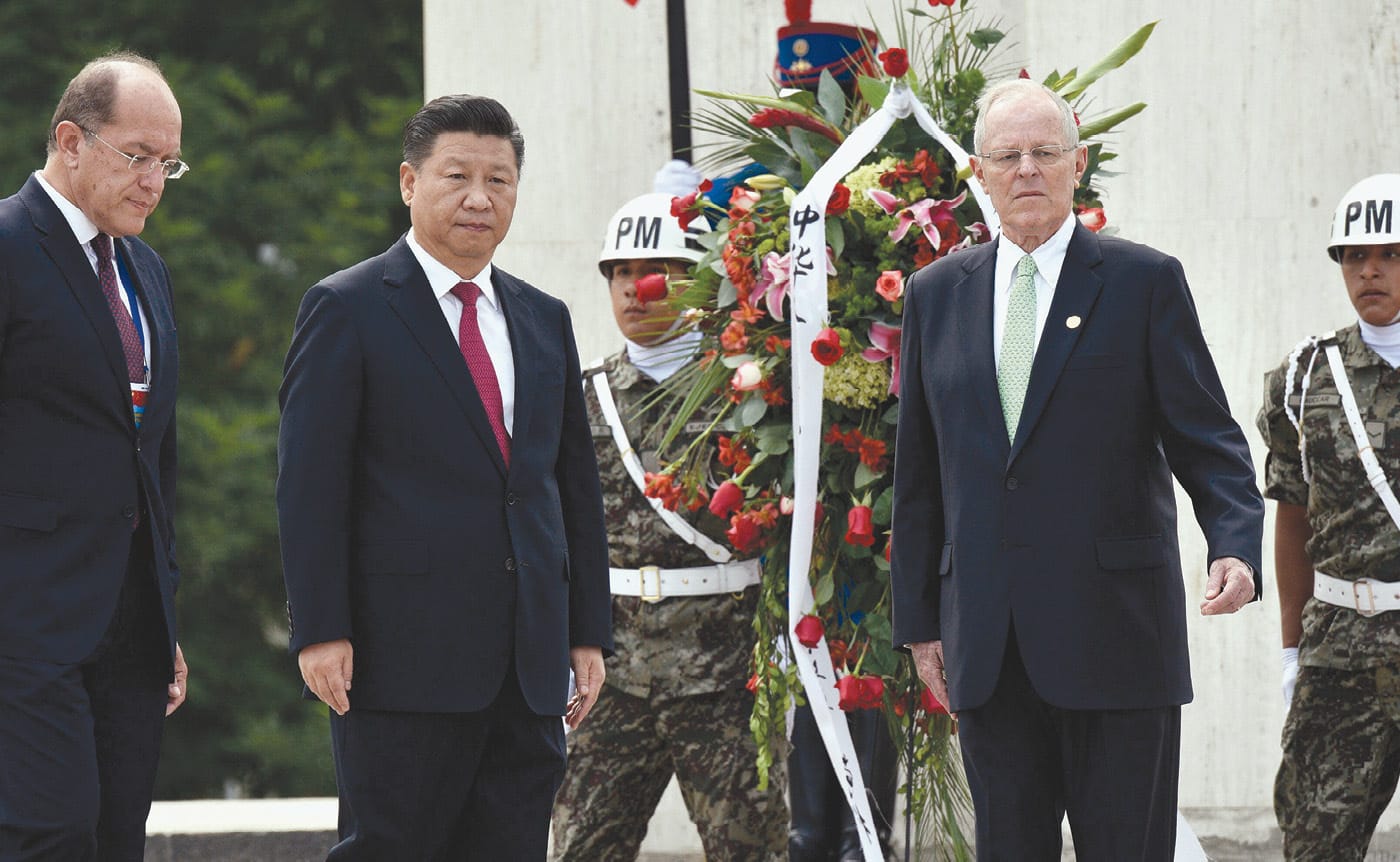
A good example of such campaigns in Peru was the role of the United States, through blatant fraud, in ensuring that Pedro Pablo Kuczynski (PPK), a Boston banker and the biggest thief of Peruvian public funds in history, won the 2016 Peruvian presidential election. PPK defeated the party of former nationalist president Alberto Fujimori by a very small margin, aided primarily by a smear campaign channeled through NGOs run by George Soros, which even the Peruvian left fell for.
PPK’s first act as president was to go to China to tell them that the bi-oceanic railway project would not be built, for environmental reasons and because it threatened the culture of a few “uncontacted tribes” that still exist in the Peruvian and Brazilian Amazon.
Another example is the use of so-called “anti-corruption” campaigns targeting Peruvian officials, parliamentarians, business owners, etc. who are working with China to develop their nation. So far, three Peruvian Presidents, minimally, have been ousted on flimsy allegations of corruption involving China: Presidents Martin Vizcarra in 2020, Dina Boluarte in October 2025, and the latest in February, Boluarte’s successor, interim president José Jerí.
There is nothing coincidental about these campaigns. R. Evan Ellis, the Latin America Research Professor at the U.S. Army War College’s Strategic Studies Institute and a specialist in spreading lies about China, especially among the militaries of the region, has argued openly that investigating Peruvian officials for alleged “corruption” if they have fostered economic development projects and relations with China, is an efficient way to break Peru’s ties to China, at less political cost to the United States than a direct order.[1]
Enter Rubio’s New Ambassador to Peru
On Feb. 3, one Bernie Navarro took up his post as U.S. Ambassador to Peru. He quickly made his debut in the Peruvian press, acting as though he owned the place as he announced that, from now on, Peruvians should start eating “hamburgers instead of chifa.” The same brand-new ambassador repeated the State Department line that Peru would face big trouble if it allowed China to continue operating the infrastructure projects it has built in Peru. “Everything has a price, and in the long run, cheap comes at a high cost, and there is no higher price than losing sovereignty,” he threatened.
Navarro is no career diplomat, but a Florida businessman involved in finance and real estate. Furthermore, he is well known in Florida as a decades-long friend of now-U.S. Secretary of State/National Security Advisor Marco Rubio and also a top fundraiser for Rubio’s political campaigns.[2] Navarro is one of those “America First” neoconservative types who is a great admirer of President Trump.
The Peruvian press took due note that, before Navarro could be approved by the U.S. Senate as ambassador to Peru, he had to settle an outstanding lawsuit against his real estate and private equity company, Benworth Capital, filed by the San Francisco Federal Reserve in 2024. Florida’s Miami Herald has published juicy details of Benworth’s legal travails, centered around its role as one of the leading companies nationally to profit off the nearly $1 trillion U.S. COVID-period Paycheck Protection Program. Thus, the case against Benworth was duly settled in September 2025, the terms of the deal not disclosed.[3]
Navarro and the U.S. Bureau of Western Hemisphere Affairs hung their “we’re here to ‘defend’ your sovereignty from China” campaign around a recent resolution by the Peruvian Comptroller’s Office which questioned the terms of the contract President Boluarte’s government had signed with COSCO, the Chinese construction giant that built Chancay Port. The Comptroller’s Office, which reviews the legal terms of state contracts, alleged that the contract gave COSCO “privileged treatment that violates national sovereignty.” That argument had already been dismissed by the Peruvian Supreme Court of Justice, but its revival bolstered the campaigns by the Presidents Joe Biden and Donald Trump administrations alike, that Chancay Port, a fully automated multipurpose port, is a threat to the United States, because it could be used as a military espionage base for China in South America.
Gonzalo Rios Polastri, Deputy General Manager of the Chancay Port Terminal, pointed out the absurdity of the U.S. State Department allegations. “Various Peruvian state entities are permanently working at Chancay, controlling cargo, transaction volumes, and the income generated by goods and ships,” he pointed out. Among the Peruvian authorities he named as present at Chancay were the National Port Authority, the Peruvian Navy’s General Directorate of Captaincies and Coast Guard, the Peruvian Ministries of Transportation and of Environment, the Peruvian Police, and the Customs Service, working out of a building which COSCO specifically built within the port complex to facilitate the presence of Peruvian state officials.
U.S. Intervention Against Peru’s Military
The attacks mounted against the Chinese presence in Chancay via the judiciary have been accompanied by a brutal campaign of pressure against the armed forces. Anti-Chinese propaganda has intensified inside the Peruvian Army, particularly through the Peruvian Army Center for Strategic Studies (CEEEP), an institution financed by the United States, whose main professor and researcher is the above-mentioned anti-China strategist, Evan Ellis.
Added to this is public pressure on the Peruvian Air Force, applied through both the media and private channels, to purchase a new squadron of 12 F-18 aircraft from the United States. There is considerable and growing opposition to this purchase within the Peruvian Air Force itself, given that the F-18s are obsolete and use of the planes’ operating systems will remain subject to U.S. permission even after purchase. There are even rumors in Lima that opposition to the purchase of these scrap planes was the cause that precipitated the fall of President Dina Boluarte in 2025.
Nor has the Peruvian Navy been spared from these attacks. Under U.S. pressure, the United States secured a $1.5 billion contract to build Peru’s new naval base north of Lima—just 80 kilometers from the port of Chancay. During construction of this new base, a group of U.S. Navy specialists are to be present in the port, giving them access to all the designs of the new base, including any classified information.
Simultaneously, a heavy social media campaign has been launched against the two retired admirals, Juan Ribaudo de la Torre and Jose Noriega Lores, who were the first promoters of the Chancay Port project. As with others, the two outstanding professionals are being smeared with allegations of having received large sums of money from the Chinese.
Development Is Not So Easy To Stop
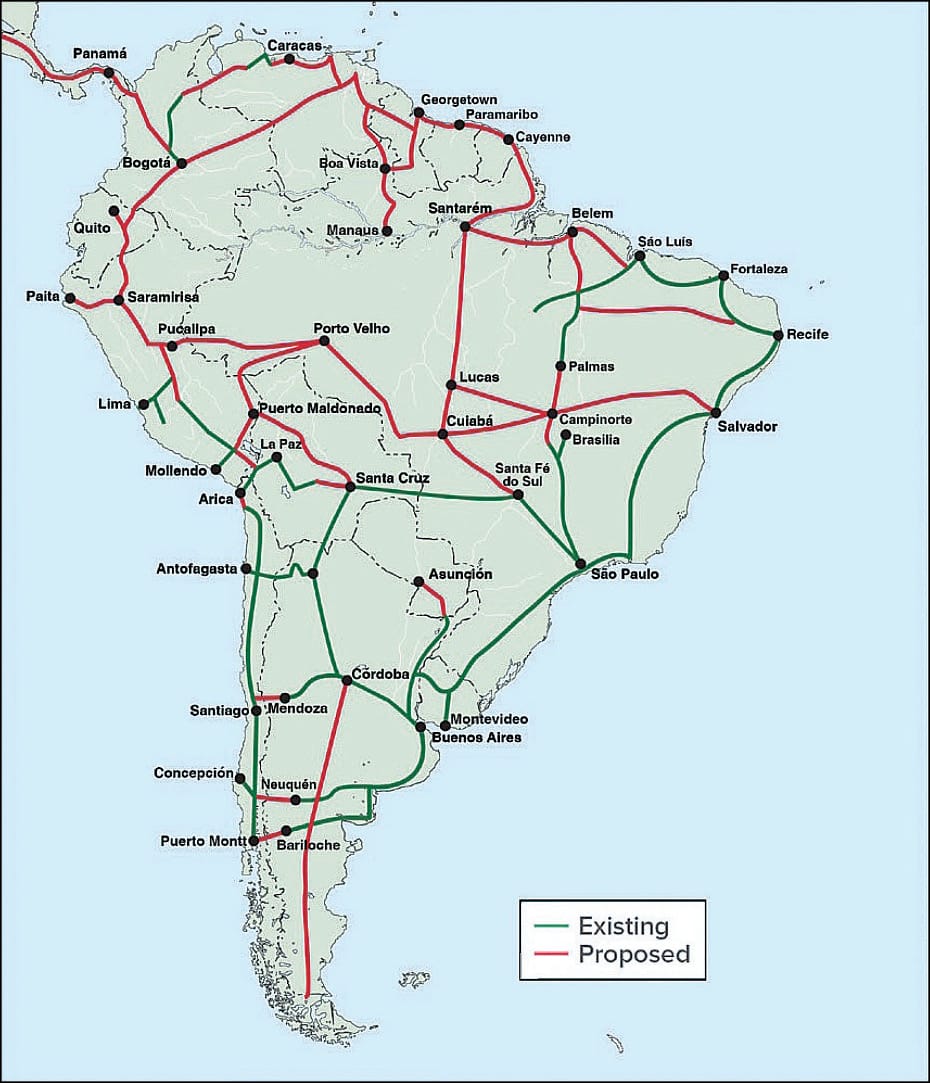
Despite these U.S. campaigns against the Belt and Road Initiative in South America, work has nonetheless proceeded without great fanfare towards its next phase, the transcontinental railway, by Brazil and Peru, in particular. Following meetings during the 17th BRICS summit held in Brazil on July 6-7, 2025, Brazil and China announced an agreement to proceed toward a grand trans-Pacific corridor across South America. Brazil’s Ministry of Rail Transport, China’s Ministry of Transport, and the China State Railway Group signed a Memorandum of Understanding in Brasilia, committing Infra S.A., a state-owned company under the Brazilian Ministry of Transport, and the China Railway Economic and Planning Research Institute to jointly conduct feasibility studies for the Brazil-Peru-Pacific Ocean-China rail-maritime corridor, whose operation is envisioned as part of the international alliance of BRICS countries.
The corridor would be centered around a railway line of about 1,000 km from the border between Brazil and Peru to the Port of Chancay, which has just been put out to tender by the Peruvian Ministry of Transport. While the phrase “transcontinental corridor” is not mentioned, the new railway section is titled “Chancay-Pucallpa,” the latter a town on the border with Brazil known to have been identified as a crossing point for the bi-oceanic railway. Feasibility studies on the route have been entrusted to Chinese state-owned company China Power Construction Corporation.
In addition to these steps, Chinese railway contractors have signed collaboration agreements with Peruvian universities for the creation of railway engineering faculties and research-and-development institutes, to build up Peru’s human capabilities in this crucial sector.
One More Card To Play, Before War
In its war against the expansion of the Belt and Road Initiative in South America, the empire has one last card to play before resorting to overt terrorist tactics to eliminate the most important physical infrastructure project yet built by China in what U.S. imperialists consider “their” backyard.
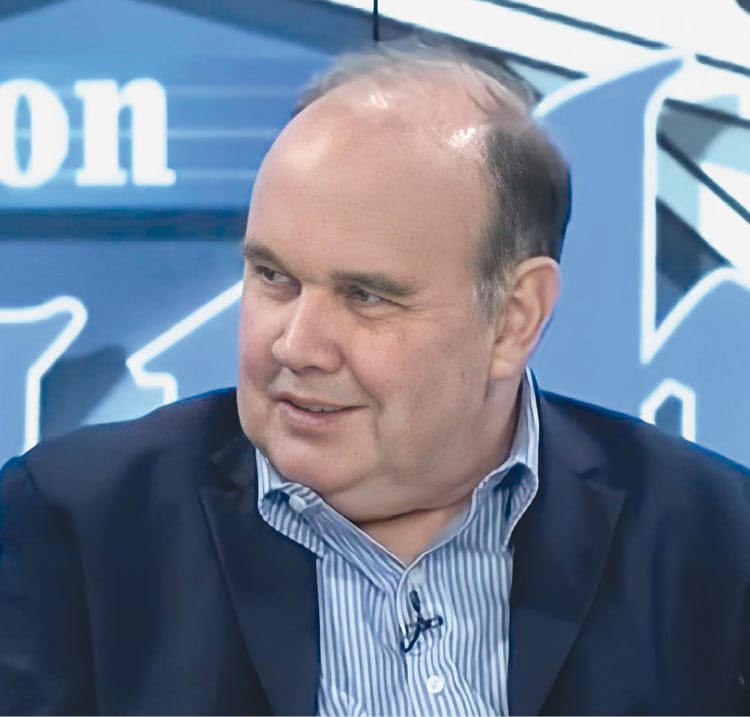
With the fall of President Jerí, the destruction of the presidential institution in Peru was completed (the country has had eight presidents in fewer than 10 years), opening the door to easy manipulation of the general elections next April, in which, believe it or not, there are currently 38 presidential candidates, among whom the U.S. State Department has its favorite: one Rafael López Aliaga. According to pollsters, this head of the Popular Renewal party is currently slightly ahead.
López Aliaga, a former mayor of Lima, nicknamed “Porky” because of his weight, is a dyed-in-the-wool neoconservative and a member of Opus Dei, an ultra-conservative “Catholic” religious order. He is also a great friend of Argentina’s President Javier Milei and Navarro’s boss, Marco Rubio, and a declared admirer of Donald Trump. López Aliaga hobnobbed with both Milei and Rubio at the ceremony celebrating Trump’s election.
His claim to fame locally is having built a few new roads in Lima and promising to build a commuter rail line using more-than-40-year-old subway cars and locomotives discarded by the State of California! According to his propaganda, he will put them to work on the already old Peruvian central railway tracks, which will connect the 40-kilometer stretch between Lima and Chosica.
He boasts of having managed to finance all these works by “attracting” foreign capital. Instead, he has left the municipality of the Peruvian capital with an unpayable debt of more than $2 billion, owed to various investment funds, among them BlackRock. Porky boasts that he secured these debt placements, thanks to his international connections in the field of finance. In fact, López Aliaga is co-owner of Peruval Corp. SA, the largest brokerage firm on the Lima stock exchange.
The former mayor has also been involved in managing funds for a certain sector of the Catholic Church in Peru, particularly in the network of private cemeteries and in the real estate sector. Porky has concessions in the tourism sector as well, and operates the Machu Picchu-Cusco train, where he has installed a luxury train brought from Europe with remarkable financial success.
López Aliaga has presented a government program which will be the death-knell of the nation-state in Peru as well as of the Belt and Road Initiative in South America. On the first, he has proposed, in the name of ending the violence that is raging in Peru, to legalize the “extraction” by the U.S. military—of the type that the United States carried out in Venezuela—of alleged drug traffickers and mafia leaders. The bulk of his program focuses on his promises to end violence by building more prisons and minimizing the institutions of the state, reducing the number of ministries and state-owned companies, in order to curb, according to him, state corruption. He furthermore proposes a series of projects that he insists should be financed exclusively by international speculative funds.
As for the BRI, his government will put an end to continental railway integration projects, because, as he proposes, his government will only allow roads to connect the coast with the eastern part of the country.
The Trump administration would prefer to use a local asset of the empire of international finance of the likes of López Aliaga, installed as Peru’s president, to achieve their stated policy of “denying non-Hemispheric competitors the ability to … own or control strategically vital assets in our Hemisphere.”
But, should that option fail, as of now there is no doubt that the current U.S. administration would resort to terrorist actions to “Nord Stream” Chancay. Today more than ever, we must remember the wise words of Lyndon LaRouche in 1987, when he gave a lecture to more than 500 Peruvian officers at the Peruvian School of Higher Military Studies. Asked by a Peruvian officer about the nature of the enemy facing the Peruvian nation, LaRouche replied. “Don’t forget, these globalists who want to destroy nation-states are murderers.”
Notes
- “Peru’s Multidimensional Challenge – Part 3: engagement with China,” R. Evan Ellis, November 20, 2020
- For more on Rubio’s role as a malicious agent of destruction against Ibero-American nations, see EIR’s “From the Bay of Pigs to the Department of State: A Profile of Marco Rubio,” published in its Feb. 13, 2026 issue.
- See two Miami Herald articles by Ben Wieder, “Miami lender close to Rubio got senator’s support as it fought over PPP loan spoils,” Aug. 6, 2024, and “Awaiting ambassador confirmation, Bernie Navarro settles with Federal Reserve bank,” Sept. 12, 2025.