“It was the best of times, it was the worst of times.”
It was, indeed, both. Written by Charles Dickens, describing what could have been in an American Revolution spreading to 1789 France, it captured for readers of his time the horror of what they knew had happened—a moment pregnant with possibilities for a better future, collapsed into senseless bloodshed, the destruction of hope and the needless perpetuation of an inbred ruling class through much of the world. As put by Friedrich Schiller, perhaps best described as the poet of the American Revolution, “a great moment in history had found a little people.”
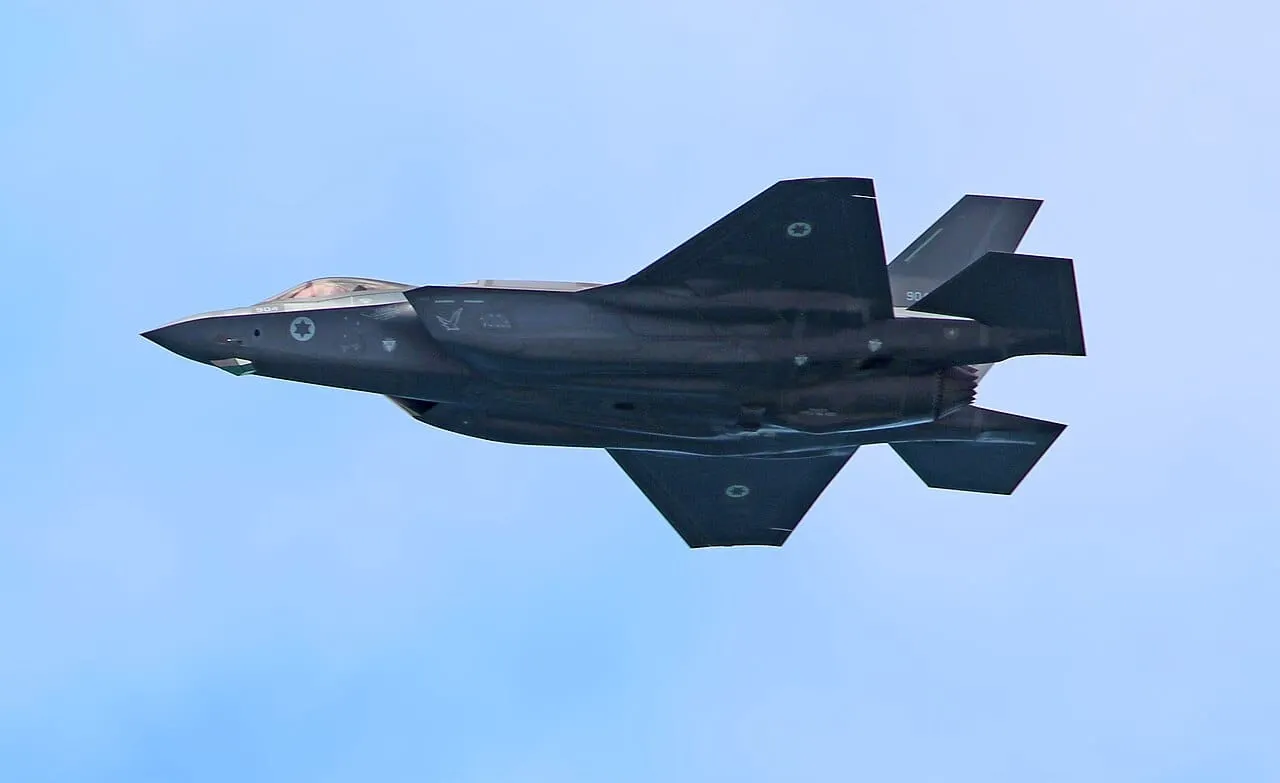
Now, admittedly, there is so much to convince one and all that we are all “little people”—perhaps the U.S. President, the littlest of all. If naked violence, rage-driven tirades, and the sadistic “joys” of beating down the “losers” of the world being celebrated as “Christian” values hasn’t been persuasive, perhaps a look at Trump’s “ultimate fighting” match that he’s holding on the South Lawn of the White House to “honor” the nation’s 250th birthday. He freshly re-posted last night, as he had a front row seat as such a fight and had his team in Islamabad leave the negotiations. It is more than a little embarrassing.
And, indeed, Trump announced a few hours later, that he was ordering the U.S. Navy to blockade the Strait of Hormuz and interdict ships that Iran allows through the Strait. Over the course of this morning, he both stated that Iran had offered concessions which make it not worthwhile to employ military force against them, but Iran’s offer—to have uranium enrichment limited to that for Iran’s civilian nuclear energy (3-5%) and excluding anything near the over 90% level needed for a nuclear bomb—is somehow worth going to war over.
However, cursing the darkness is not the answer.
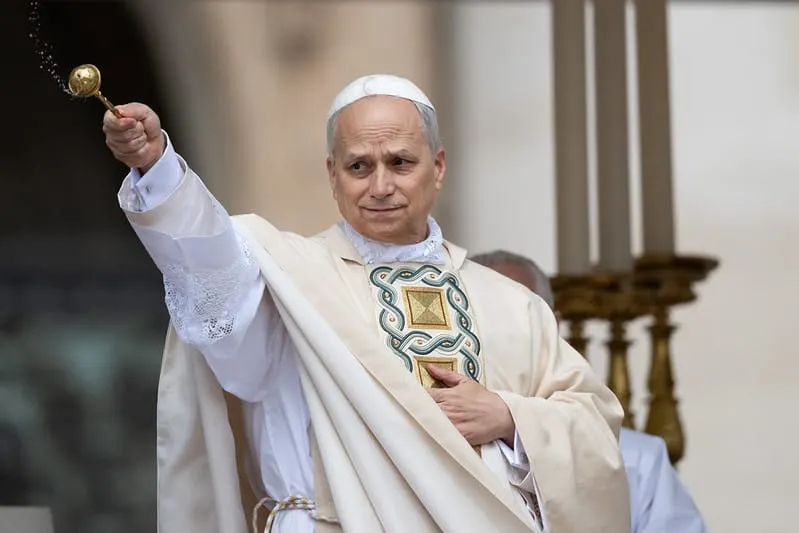
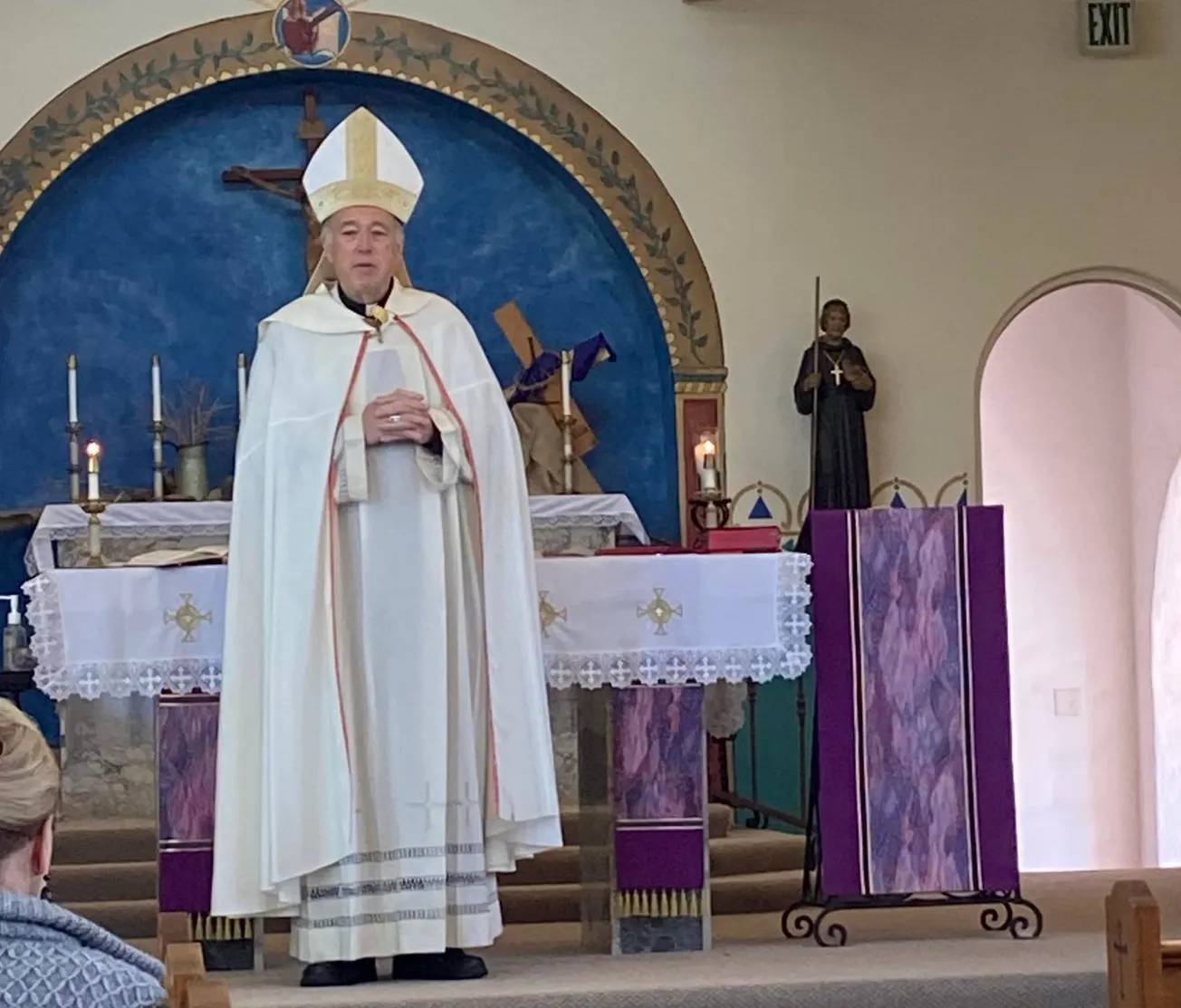
On the same day, there were a some developments that could free Americans from their littleness and that could actually make America great again. In Washington, D.C., Cardinal Robert McElroy explained to his audience: “We are called to be peacemakers within this nation which we love so deeply, refusing to allow the cancer of polarization to swallow up the noblest dreams of our founders in this very year in which we celebrate our 250th birthday as a country.” Since “it is very possible that the negotiations will fail because of recalcitrance on one or both sides, and our president will move to reenter this immoral war,” the assembled must act. At such a “critical juncture, as disciples of Jesus Christ called to be peacemakers in the world, we must answer vocally and in unison: No. Not in our name. Not at this moment. Not with our country.” The audience in St. Matthew’s Cathedral broke out into a spontaneous, loud, and sustained applause—a response virtually unheard of in the setting of a solemn Church function.
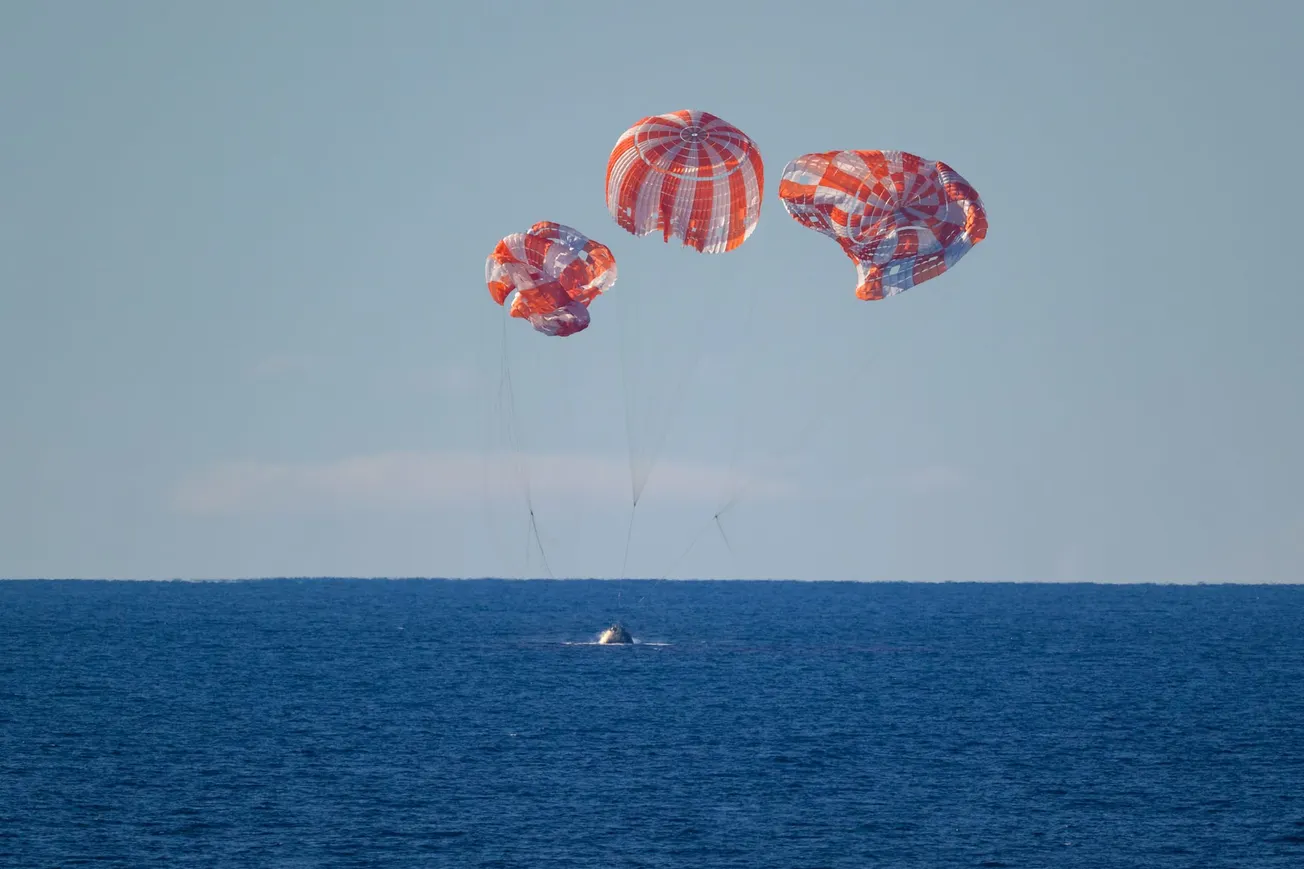
In Houston, NASA Administrator Jared Isaacman introduced the four Artemis 2 astronauts to an ovation from their NASA colleagues. He turned to Commander Reid Wiseman and recalled: “You said in an interview back in February that you hoped this mission would be forgotten, overshadowed by all that was to come after. But ... Artemis 2 will always be remembered. It was the moment we all saw the Moon again, where childhood dreams became missions. You helped the world to start believing again, and this is something no one is ever going to forget…. Thank you for showing us the Moon again. Thank you for showing us planet Earth again.” One of the comments said it all: “In these dark times, this gives me hope for humanity.”
One might ask, when did the world lose its belief? Did it happen when the America of the Founding Fathers strayed from its mission as a republic, walked away from the assassinations of J.F. Kennedy and M.L. King, became a military-industrial behemoth to impose colonial realities upon Vietnam and others, and, yes, walked away from the Moon?
But the point is, the two events, each in their own way, exemplified people, en masse, realizing that they were not “little people,” contrary to decades of riding along in an increasingly ugly journey. The degraded level of thinking that has trapped the population for way too long, when it drops away, it drops away quickly. Our population is “super-saturated” with possibilities in their hearts and minds that they have not believed existed, best described by Percy Shelley, in a passage so dear to former presidential candidate Lyndon LaRouche:
“The most unfailing herald, companion, and follower of the awakening of a great people to work a beneficial change in opinion or institution, is poetry. At such periods there is an accumulation of the power of communicating and receiving intense and impassioned conceptions respecting man and nature. The person in whom this power resides, may often, as far as regards many portions of their nature, have little apparent correspondence with that spirit of good of which they are the ministers. But even whilst they deny and abjure, they are yet compelled to serve, that power which is seated on the throne of their own soul. It is impossible to read the compositions of the most celebrated writers of the present day without being startled with the electric life which burns within their words. They measure the circumference and sound the depths of human nature with a comprehensive and all-penetrating spirit, and they are themselves perhaps the most sincerely astonished at its manifestations: for it is less their spirit than the spirit of the age.”
One U.S. Presidential candidate, Diane Sare, believes the place for such an enlivened population to make the next breakthrough is to challenge the Congress—admittedly a pack of cowardly, labile careerists, who would prefer that the Founding Fathers never put the responsibility of war and peace, and the power of the pocketbook, into their hands—to choose this opportune moment to act.
It is the best of times and the worst of times. A great moment in history must not find a little people. It is time to make America great again. It is, indeed, the spirit of the age.
Circulate the Schiller Institute call for “Immediate Action To Stop the Madness”—urging everyone to bring maximum pressure to bear on the U.S. Congress, the President, and civil society.