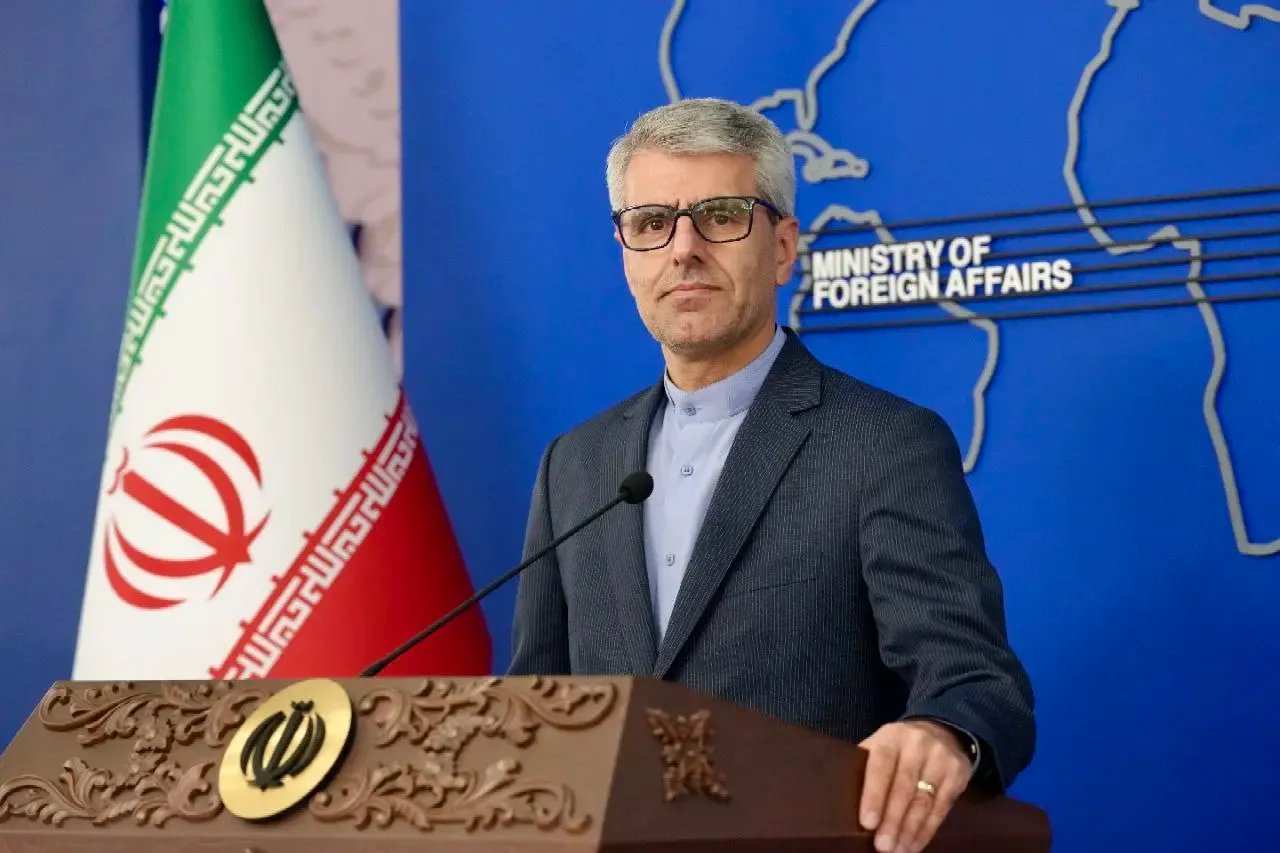
On the pullout by the U.S. negotiators, Iranian Foreign Ministry spokesman Esmaeil Baghaei said that the negotiations took place in an atmosphere of deep “mistrust and suspicion” due to the 40 days of U.S.-Israeli assaults. “It is natural that we should not have expected from the beginning to reach an agreement within one meeting. No one expected that either.” He said that Iran and the U.S. had “reached an understanding on a number of issues” but still had “differences of opinion on 2-3 important” matters. He also repeated Tehran’s broader position that any progress depends on the other side showing “seriousness and good faith” and accepting Iran’s legitimate rights and interests.
According to remarks carried by PressTV, Baghaei said Iran would continue to rely on its own means to defend national interests despite the diplomatic effort. He also reported that this round of negotiations expanded beyond the usual agenda, with the Strait of Hormuz and broader regional issues added to the discussions. Baghaei added that Iran would continue consultations with Pakistan and other regional allies after the talks.
Mohammad Bagher Ghalibaf, the head of the Iranian delegation, stressed Iran’s lack of trust in the U.S. side. “Before the negotiations, I emphasized that we have the necessary good faith and will, but due to the experiences of the two previous wars, we have no trust in the opposing side. My colleagues on the Iranian delegation Minaab168 [the name the Iranian delegation chose for itself, in honor of the 168 young female victims of the U.S. bombing of a girls school] raised forward-looking initiatives, but the opposing side ultimately failed to gain the trust of the Iranian delegation in this round of negotiations.”
“America has understood our logic and principles, and now it’s time for it to decide whether it can earn our trust or not,” he said. “We consider every mirror to be another method of authority diplomacy, alongside military struggle, for upholding the rights of the Iranian nation, and we will not for a moment cease our efforts to consolidate the achievements of the forty days of Iran’s national defense.”
Former Iranian Foreign Minister Mohammad Javad Zarif cited a quote from U.S. Vice President JD Vance to explain the failure. Vance had said that “they have chosen not to accept our terms,” to which Zarif responded: “Bingo. No negotiations—at least with Iran—will succeed based on ‘our/your terms’. The U.S. must learn: you can’t dictate terms to Iran,” he said. He added that “it’s not too late to learn.”
Iran’s Fars media, cited a source close to the Iranian delegation, to say that Washington was “looking for an excuse” to walk away and demanded “through negotiation everything they couldn’t obtain during war.” The source said Tehran refused U.S. conditions on the Strait of Hormuz, peaceful nuclear energy and other core issues, and added that Iran has “no plans” for a next round of talks.
The Iranian state broadcaster IRIB posted on Telegram today: “The Iranian delegation negotiated continuously and intensively for 21 hours in order to protect the national interests of the Iranian people; despite various initiatives from the Iranian delegation, the unreasonable demands of the American side prevented the progress of the negotiations. Thus the negotiations ended.”
Iran’s Tasnim media wrote: “In the negotiation room, the Americans intended to achieve goals that they failed to achieve by the war against Iran, including the issue of the Strait of Hormuz and the removal of nuclear materials from the country, but the Iranian delegation thwarted that effort.
“The Iranian team tried to push the American side towards reaching a common framework by offering various initiatives, but the American greed for excessive demands had pushed them far from rationality and realism.”
Tasnim quoted an informed source: “Iran has put forward reasonable initiatives and proposals in the negotiations. The ball is in America’s court to look at the issues realistically.” The source said the U.S. had miscalculations in the negotiations, just as it had done in war, and warned that nothing would change in the Strait of Hormuz “until the United States agrees to a reasonable agreement…. Iran is no hurry,” the source reiterated.