
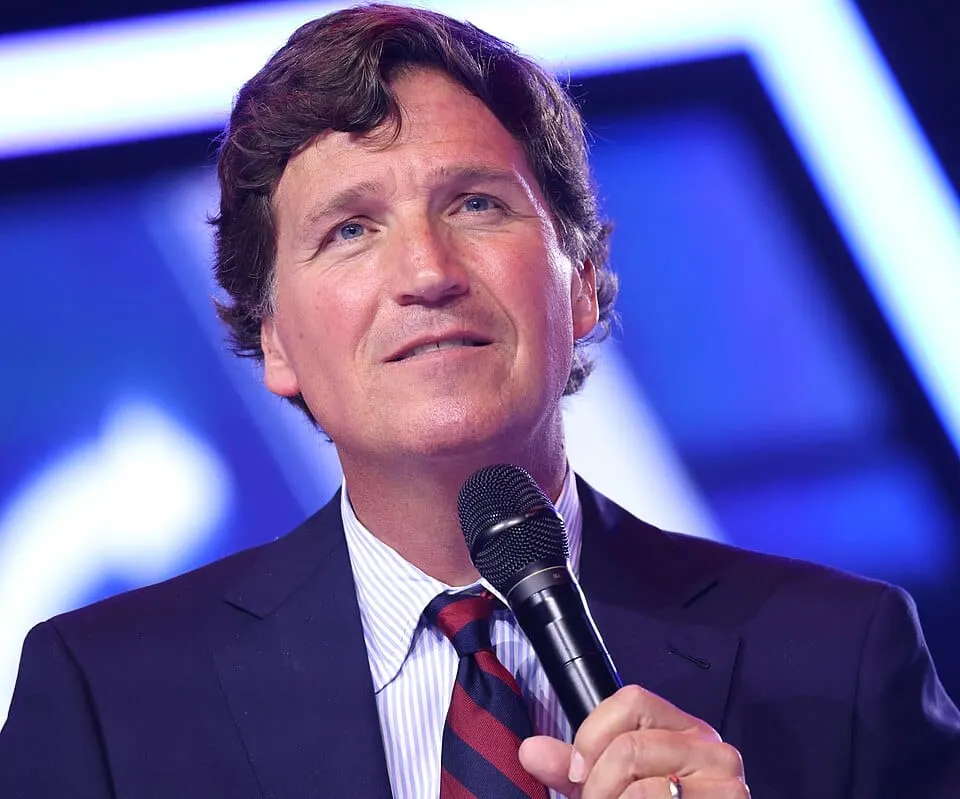
Conservative commentator Tucker Carlson, one of the most influential right-wing voices supporting Donald Trump’s 2024 campaign, has publicly renounced that support over the U.S.-Israeli war on Iran. In an episode of his podcast released Monday, April 20, Carlson said he would long be “tormented” by his role helping return Trump to the White House.
“It’s not enough to say, well, I changed my mind,” he said, speaking with his brother Buckley, a former Trump speechwriter. “We’ll be tormented by it for a long time. I will be. And I want to say I’m sorry for misleading people.” He acknowledged that he was part of the “reason this is happening right now,” referring to the war with Iran.
Carlson, a longtime opponent of American foreign interventions, has feuded with Trump for weeks over the war. He appeared particularly appalled by a threat Trump made on April 5, Easter Sunday, that Iran would be “living in hell” if it did not open the Strait of Hormuz. After that post, Carlson urged White House officials to stand up to the President, calling Trump’s behavior “evil.”
Trump has responded with personal attacks. In Truth Social post two weeks ago, he described Carlson and other conservative critics of the war as “Fools” and suggested Carlson should “see a good psychiatrist.” On Friday, April 24, Trump continued the insults, calling Carlson “a Low IQ person.”
The break is significant because of how closely Carlson had aligned himself with Trump during the 2024 cycle. Carlson was among those who lobbied Trump to choose JD Vance as his running mate. When Trump made his first public appearance after the July 2024 Butler, Pennsylvania rally shooting, Carlson was the first person to greet him on the stage of the Republican National Convention, where he called Trump “the funniest person I have ever met in my life.”
Carlson’s apology, not merely a policy disagreement but an expression of remorse for his earlier advocacy, marks one of the sharpest breaks yet within the MAGA coalition over the Iran war, and reflects the broader turn against the war by the American public.


