“It is difficult to say what is impossible, for the dream of yesterday is the hope of today and the reality of tomorrow.”
—Robert Goddard
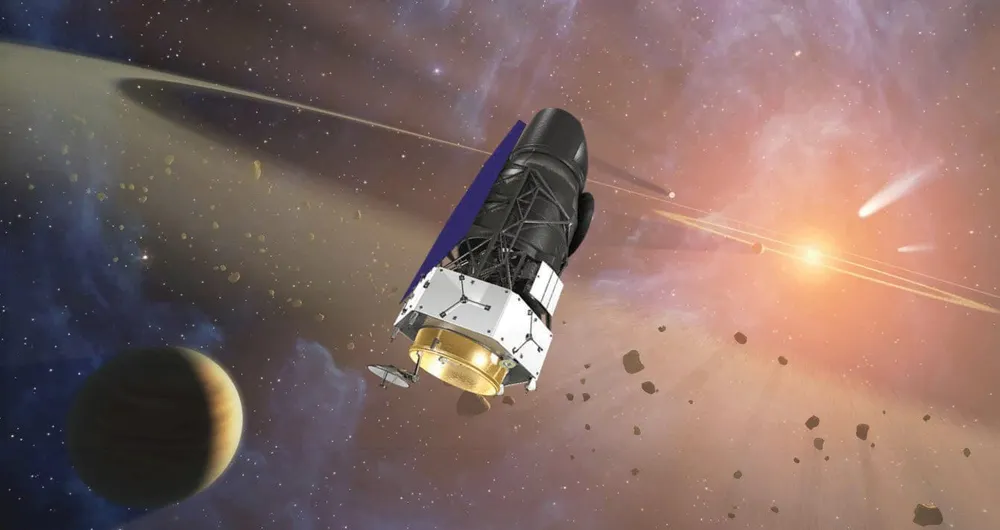
August 20—The Nancy Grace Roman Space Telescope (RST) is scheduled to launch August 30, 2026—under-budget and nine months ahead of schedule—at 7:20 am EDT from NASA’s Kennedy Space Center, powered up by a SpaceX Falcon Heavy rocket. The new telescope is named for Nancy Grace Roman, PhD, NASA’s first Chief of Astronomy (1959-1979).
This mission is nothing short of a scientific “moonshot”—one of the boldest undertakings ever attempted not just by NASA, but by humanity’s entire spacefaring community. With its sweeping cosmic vision, it will probe the mysteries of dark matter and dark energy, map whole realms of unseen structure, and expand our census of distant worlds. The telescope could up-end our most cherished theories, redraw the architecture of the cosmos, and reveal a universe far stranger—and far more magnificent—than anything we’ve dared imagine.
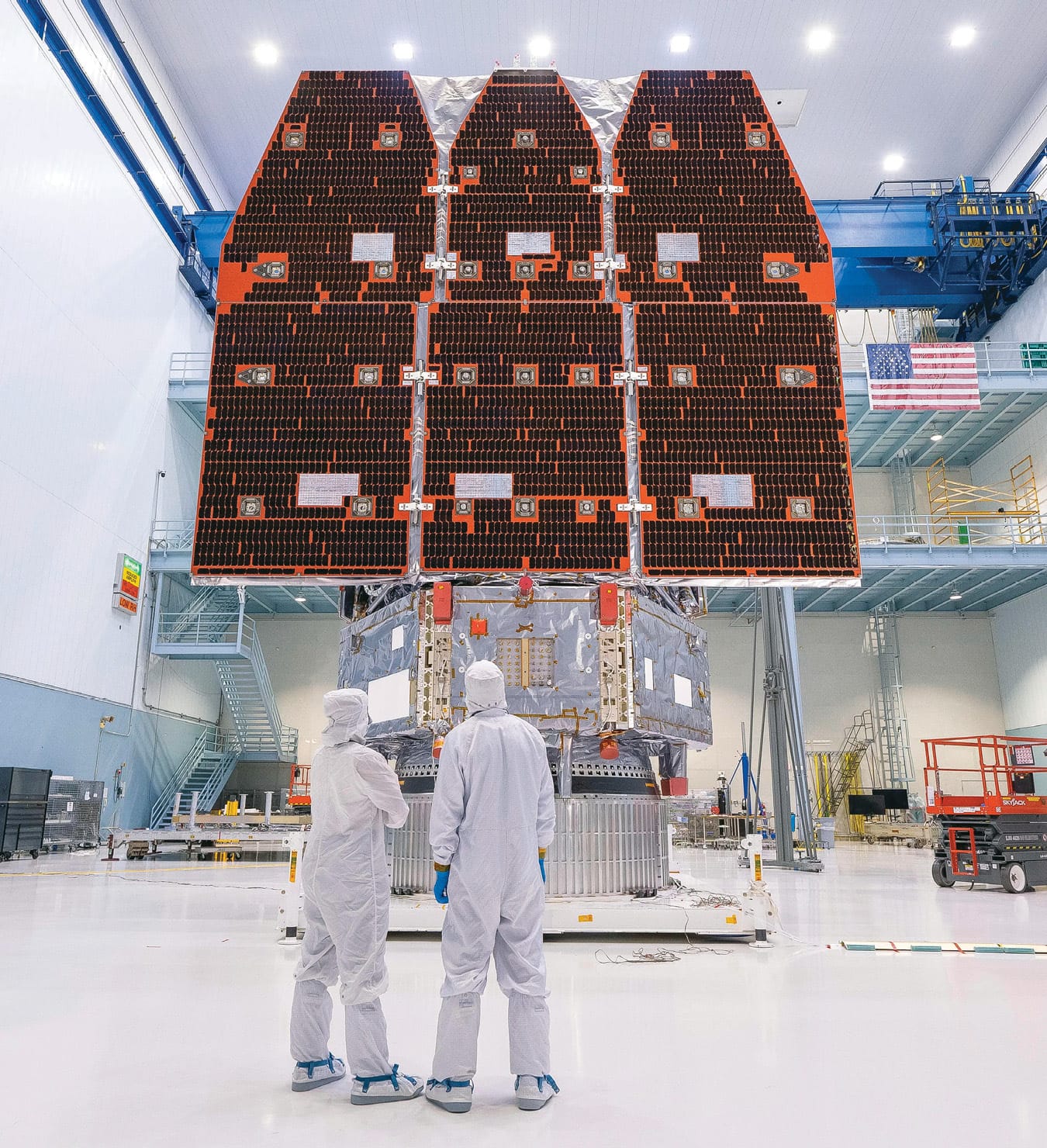
After stringent testing at the Goddard Space Flight Center in Greenbelt, Maryland, where the RST was built, it was transported June 21 via a specialized container, for loading onto NASA’s Pegasus barge, to proceed down the Atlantic coast to the Payload Hazardous Servicing Facility, in Florida.
As of this writing, teams at NASA and SpaceX have completed a full end-to-end simulation, and are practicing fueling procedures and launch-day countdowns, and testing communication systems. Ground and flight operation teams are officially on console and primed for the upcoming August 30 liftoff.