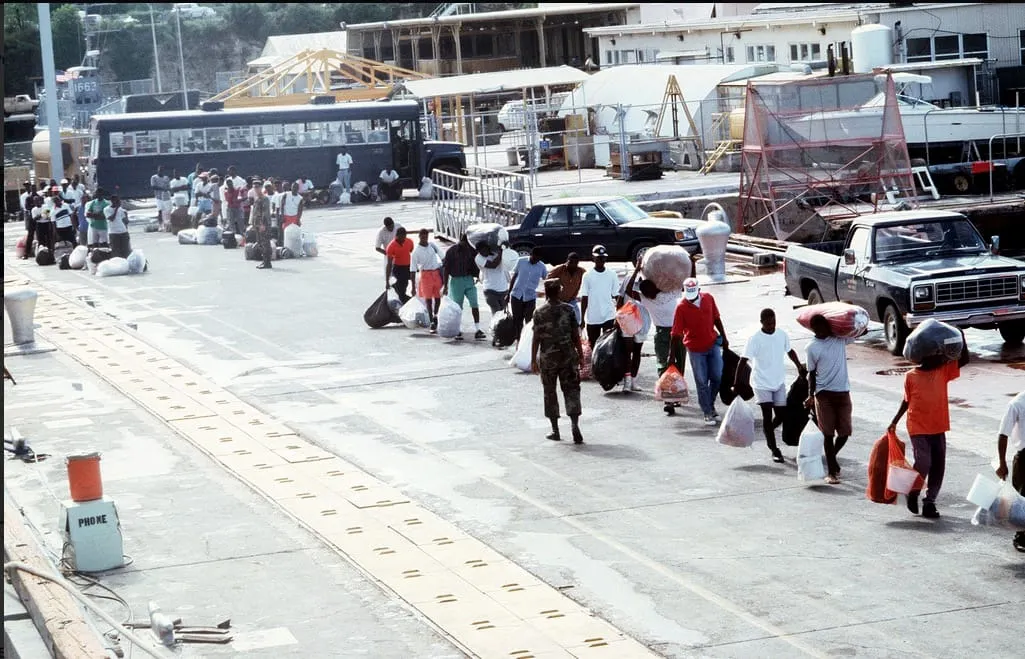
This week the State Department sanctioned Cuba’s mining companies and its Construction Ministry. Brussels amended its refugee policies to prevent Ukrainians from escaping conscription. Fifteen Western governments answered Israel’s E1 settlement tenders by advising construction firms to consider their reputations. Washington announced an “economic D-Day” against Iran with little effect. And 170 Haitians were deported to the only airfield in the country that could receive their plane.
Sanction, enforce, deport. Every instrument on that list is an act of subtraction.
This is now admitted in the September/October Foreign Affairs, published by the Council on Foreign Relations, which opens its lead essay with the words “The American Middle East is finished,” and concedes that “by nearly every economic, political, and developmental indicator, the Middle East under American domination has performed far worse than any other region.” Its author then recommends intelligence sharing and human rights conditionality—not development.
Iran’s Foreign Ministry spokesman explained the result. Secondary sanctions, Esmaeil Baqaei wrote, reduce the sovereignty of every state “to something provisional, conditional, and revocable at the whim of another power,” ending in “an abysmal return to full-scale classic colonialism.”
Lyndon LaRouche spent a lifetime on why this happens. Wealth is not money and never was. “Mankind is ruled by the force of ideas,” he wrote in 1994, “by the interplay of those contending ideas which, acting through the minds of men, thus control the physical conduct of society.” The human race, he added, “is made up of nothing but individuals who share in common that spark of creative reason which defines all persons as in the image of the Creator.”
He also supplied the measure: “The increase of mankind’s potential population-density is the yardstick,” approximated by “increases in the physical-economic productive powers of labor, per capita, per household, and per square kilometer” and including “education, medical care, scientific research, and engineering services to production, physical distribution, and basic economic infrastructure.”
Measure actions against that yardstick, and look at who is acting for growth.
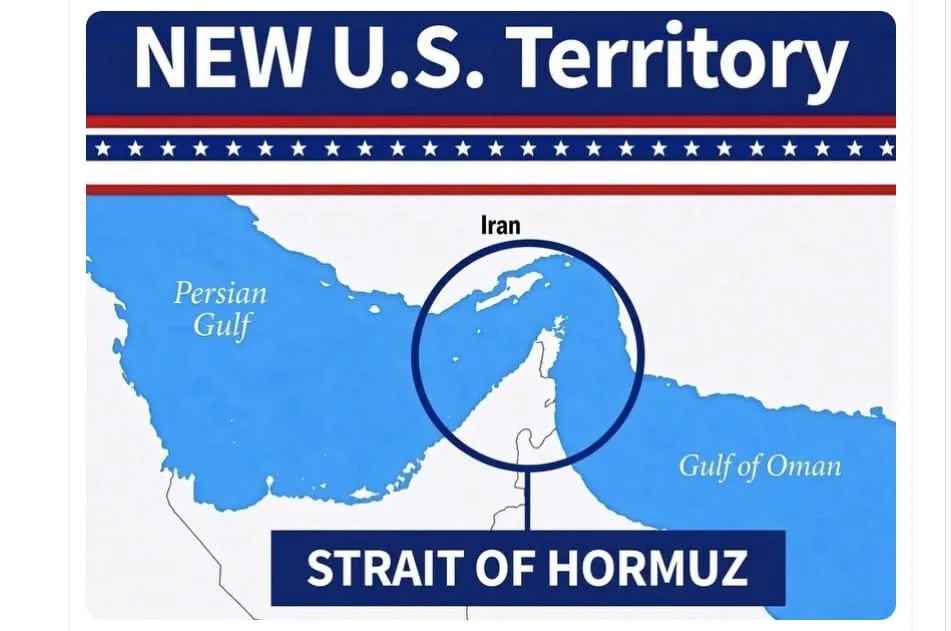
Sixteen African heads of state met at Durban on Aug. 17 and resolved to refine and manufacture their own cobalt, copper and lithium rather than export ore. Iraq’s prime minister is building new export routes and seeking accommodations with Iran for use of the Strait of Hormuz. A Russian senator has proposed a railway from Yakutia to the Bering Strait on the scale of the Baikal-Amur Mainline, and called it the beginning of a new chapter of cooperation with the United States. And on Monday morning, China has the first launch window for sending Chang’e-7 to the lunar south pole, carrying a probe built to leap into craters where sunlight has not fallen in billions of years—advancing the yardstick of human capability along the way.
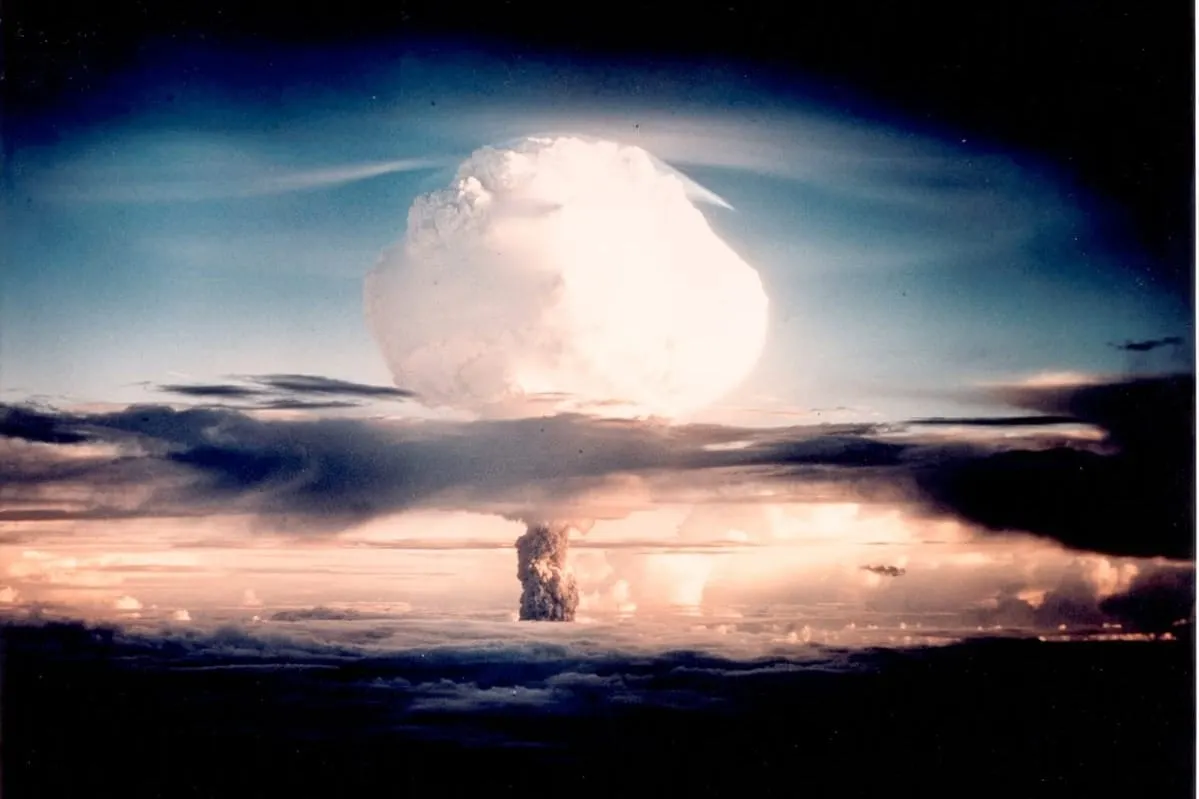
Seventy-one years ago at Bandung, twenty-nine nations that possessed no nuclear weapons and expected none declared that they “had a duty towards humanity and civilisation” to demand their abolition. A duty—claimed by countries that had largely just ceased to be another’s possession.
On Friday President Lula telephoned Donald Trump and proposed that the UN Security Council be convened in extraordinary session to find diplomatic ways out of the wars—a proposal he had already made to Xi Jinping and to Vladimir Putin. “Great leaders,” he told Trump, “are not those who start wars, but those who put an end to conflicts.”
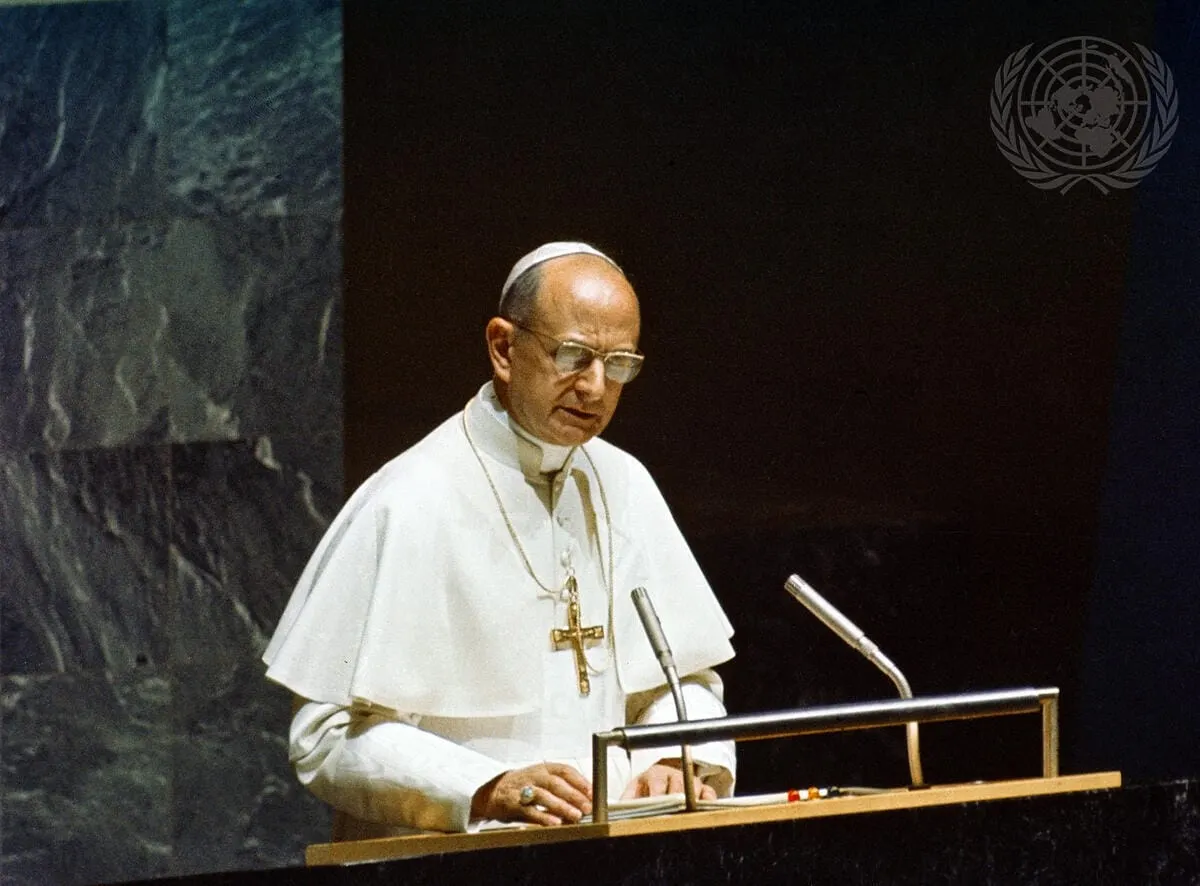
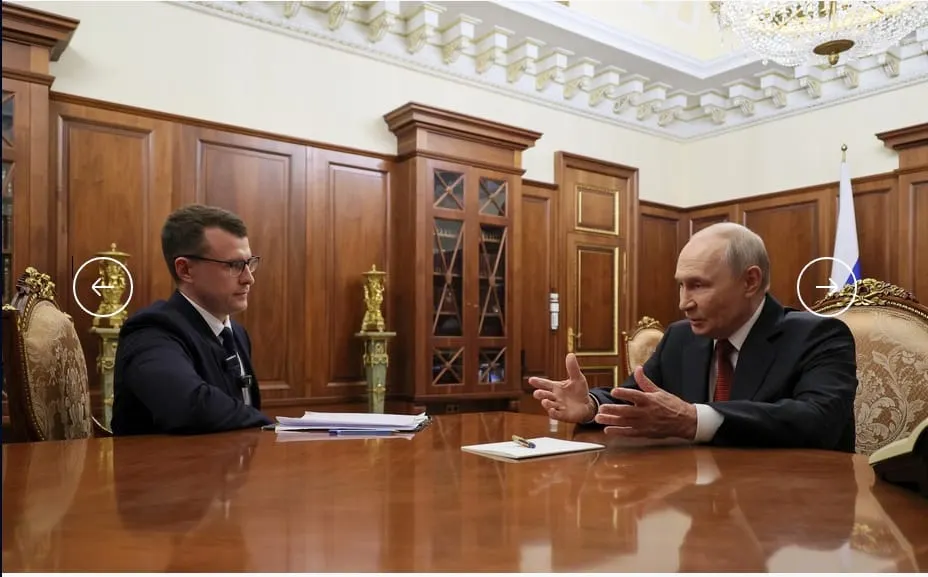
On Tuesday the Vatican’s foreign minister sits down with Sergey Lavrov in Moscow, days after an open letter asked Pope Leo XIV—who has already called for reviving the Spirit of Helsinki—to convene the heads of state of the three principal nuclear powers. Circulate that appeal and gather names for it across the world, including, emphatically, Africa, Asia and Ibero-America.