The Year of the Fire Horse in China is only a few days old. The Chinese government has said that Germany’s Chancellor Friedrich Merz will meet with both Chinese President Xi Jinping and Premier Li Qiang. Merz has announced that this visit will elevate cooperation with China to a new strategic partnership, and the size of his delegation indicates the seriousness of this claim. Maybe the unique 60-year event of the Year of the Fire Horse (as opposed to the simple regular Year of the Horse) provides a good metaphor for that.
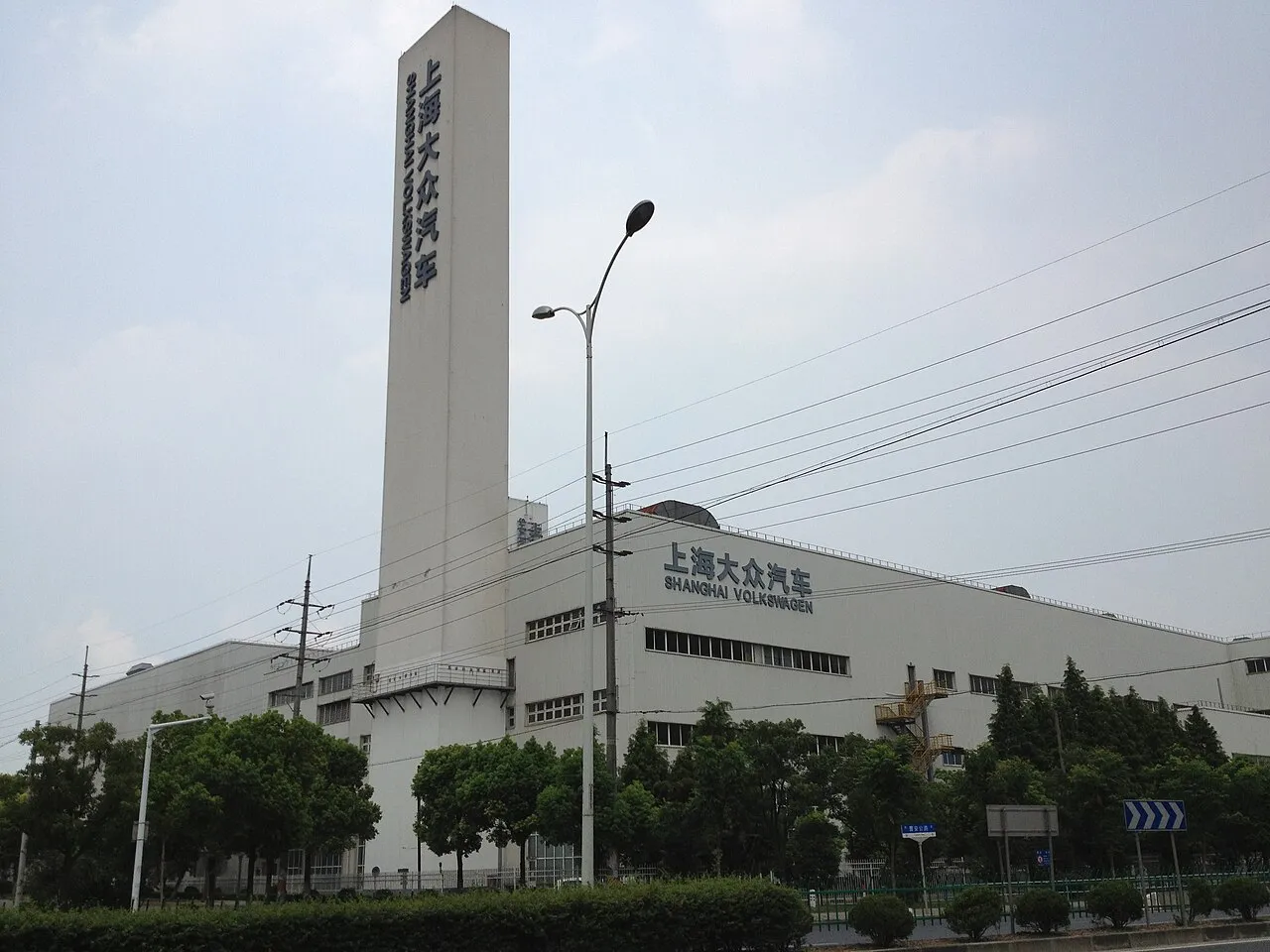
China once again became Germany’s most important trading partner in 2025, overtaking the U.S. In 2025, the German trade deficit with China rose to €90 billion—€30 billion above the level of the year before—and dropping sales of cars and machines to the Chinese, who have technologically advanced themselves, convinced German industries to make €7 billion in new direct investments in China over the past year to compensate for part of the lost revenue from declining exports, particularly of cars, with increased production onsite in China. China’s trade with Germany increased by 2% last year. There is more readiness to engage in new joint ventures, which the Chinese are offering to also produce for exports to third countries with an increasing demand for high-quality products.
Not being active on the Chinese market means not to be a part of the technology drive, which is enormous in China and has made it a country with increasing percentages of exports of goods produced: 9% of chemicals, 11% of electricity equipment, 20% of machines, 22% of electric engineering, 12% of vehicles. Compare this to Germany, which has the following export percentages: 10% of chemicals, 10% of electrical equipment, 13% of machines, 6% of electric engineering, and 15% of vehicles. Combining the best options and talents in joint ventures will lift technology cooperation to a new level, which is the only meaningful perspective for Germany and China, each being the number-one trade partner of the other already. In the machine category, special emphasis is on the robotics sector, which is certain to gain in importance for increasing industry’s productivity as well as for appliances in households, and health care.
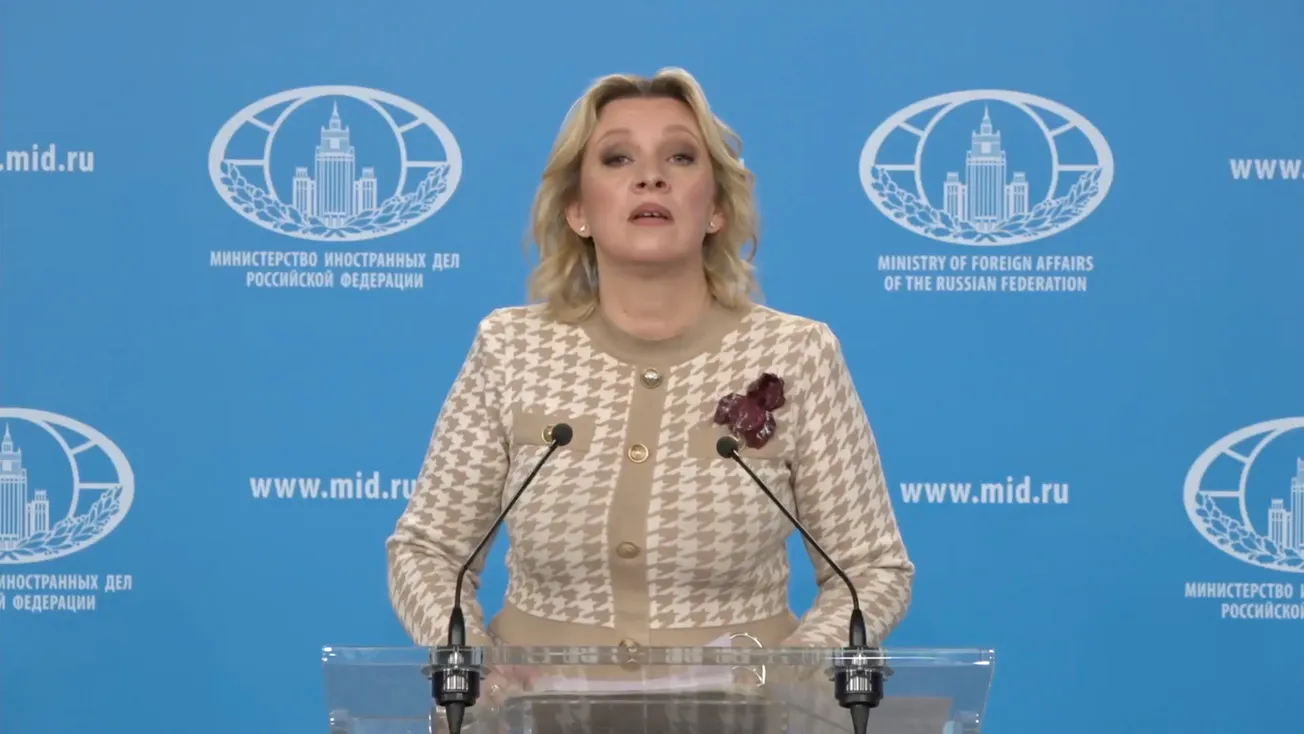
Responding to a question on the Merz visit, Chinese Foreign Ministry spokeswoman Mao Ning said: “China and Germany are the second and third largest economies in the world. The sound development of China-Germany relations is in the interest of the two countries and is what the world expects to see. Through the visit, China stands ready to work with Germany to enhance understanding and mutual trust, deepen practical cooperation, uphold the principles of mutual respect, equality and mutual benefit, achieve greater progress in bilateral relations, and contribute more to world peace and prosperity."Feb. 24, 2026 (EIRNS)—The Year of the Fire Horse in China is only a few days old. The Chinese government has said that Germany’s Chancellor Friedrich Merz will meet with both Chinese President Xi Jinping and Premier Li Qiang. Merz has announced that this visit will elevate cooperation with China to a new strategic partnership, and the size of his delegation indicates the seriousness of this claim. Maybe the unique 60-year event of the Year of the Fire Horse (as opposed to the simple regular Year of the Horse) provides a good metaphor for that.