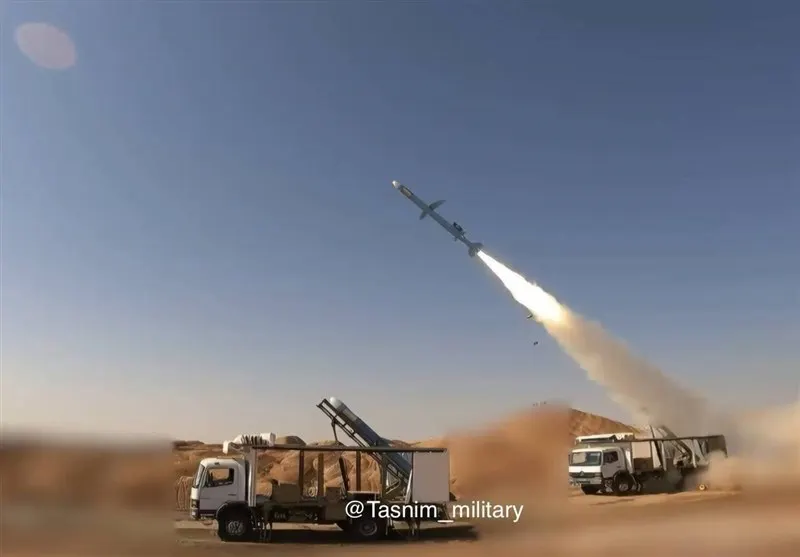
The New York Times reported in a May 12 article on yet another intelligence leak showing how little damage the U.S. did to Iran’s missile capabilities during 40 days of air strikes. “The Trump administration’s public portrayal of a shattered Iranian military is sharply at odds with what U.S. intelligence agencies are telling policymakers behind closed doors, according to classified assessments from early this month that show Iran has regained access to most of its missile sites, launchers and underground facilities,” it reports at the outset. “Most alarming to some senior officials is evidence that Iran has restored operational access to 30 of the 33 missile sites it maintains along the Strait of Hormuz, which could threaten American warships and oil tankers transiting the narrow waterway.
“People with knowledge of the assessments said they show—to varying degrees, depending on the level of damage incurred at the different sites—that the Iranians can use mobile launchers that are inside the sites to move missiles to other locations. In some cases they can launch missiles directly from launchpads that are part of the facilities.”
The Times adds that military intelligence agencies have also reported that Iran retains access to 90% of its underground missile infrastructure across the country. The Times also notes that the findings undercut months of public assurances from President Trump and Defense Secretary Pete Hegseth, who have told Americans that the Iranian military was “decimated” and “no longer” a threat.
The same day the Times story came out, Trump issued an angry post denouncing any reporting that questions American military prowess as “virtual TREASON” in that it’s supposedly “aiding and abetting the enemy!”
Anecdotal evidence of the ineffectiveness of the U.S. bombing campaign has also been circulating on social media. “One of Iran’s underground missile bases, located near Esfahan, was bombed almost 20 separate times during the war, an average of once every two days, with bunker busting ammunition and smart bombs, including from B-2s and B-52s,” reports one account making the rounds. “Despite the immense amount of firepower used, the base never stopped firing for more than half a day, before returning back to operations.
“One Esfahan resident said: ‘This mountain, we see it get bombed almost every night, we see the smoke rise. Yet when we wake up in the morning, it’s from these very same mountains that we see missiles rising into the sky’”