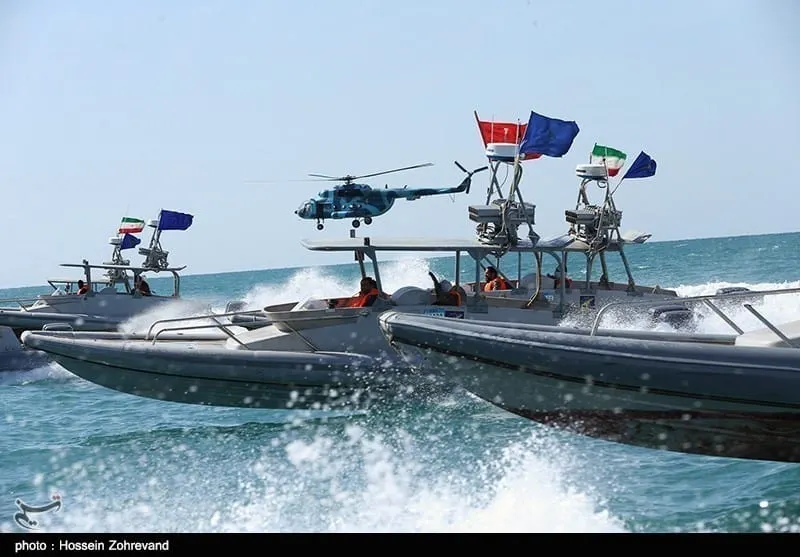
No U.S.-Iran meeting materialized in Doha after a day of contradictory signals—Trump claiming that Tehran had requested talks, Iran flatly denying any session with Washington. The real movement on the Strait of Hormuz came elsewhere: Iran and Oman, the two states that share the waterway, held the first meeting of a joint Hormuz committee in Muscat, with Tehran insisting that management of the strait cannot rest on arrangements that exclude Iran as a coastal state. Oman’s foreign minister said Muscat opposes transit tolls but is open to voluntary charges for navigational and environmental services, on the model of the Malacca and Singapore straits.
Implementation of the June 17 memorandum advanced: Iranian President Pezeshkian announced that $6 billion of Iran’s frozen assets—half of the $12 billion held in Qatar—will be returned in two tranches, which he called a “great victory.” The U.S. Treasury’s waiver authorizing Iranian oil and petrochemical exports through Aug. 21 remains in effect.