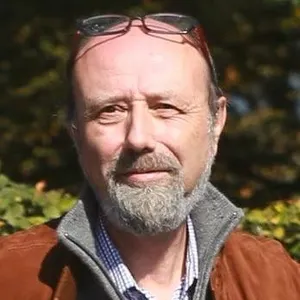
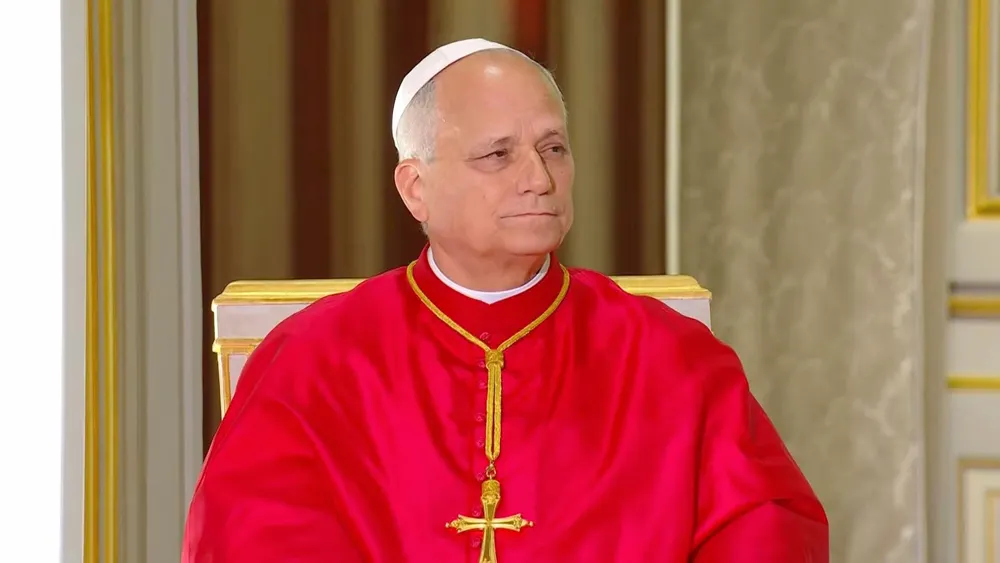
Bruno Kahl, the German ambassador to the Holy See, frontally attacked the Pope’s action for peace in an interview with the German magazine Christ in der Gegenwart. The interview was forwarded to the media on Thursday, Oct. 29, two days after the successful Assisi meeting of world religions, this year under the banner of “A disarmed and disarming peace.”
Kahl, chief of the German intelligence agency BND until 2025, protested against the Pope’s criticism of European rearmament and lack of support for efforts to allegedly defend against Russia. Kahl said that in his encyclical, the Pope only briefly addressed the right to self-defense. The ambassador added that the danger posed by weapons is emphasized one-sidedly, and overall, the Vatican’s most recent statements lack a “realistic perspective” and balance.
“As long as human beings live in this world as sinners, they must expect war,” Kahl said. He refers to earlier Church documents, ignoring the newest papal encyclicals which override previous documents. He accuses Pope Leo of rejecting a “so-called realism” that regards war as a constantly looming evil. “That sounds good, but it doesn’t help in the face of reality,” the former intelligence head said.
Kahl views the Catholic Church as a “moral authority” that must also distinguish between “good and evil.” “Russia is afraid of democracy and is fighting against it; maintaining an equidistant stance is no longer appropriate,” Kahl said.
Furthermore, he saw little chance of success for the Pope’s peace initiative. Rather, there is a danger that the Pope will be “harnessed to Putin’s cart,” because his willingness to talk to Putin is being distorted by the anti-Russian propaganda machine to legitimize aggression.
Now it is clear that Kahl was the right man for his new job to discredit the Pope and to sabotage the highest moral authority in his peace efforts. During his mandate at the BND, Kahl steadily demanded more power for his agency, complaining that, different from allied agencies, “it does not have the license to kill.”
In 2025, when it looked like Trump and Putin could bring the war in Ukraine to an end, Kahl complained that an early peace in Ukraine was not convenient. He warned that “An early end to the war in Ukraine will enable the Russians to use their energy where they actually want it, namely against Europe.” To know more about Kahl, including about his study of Carl Schmitt, read Christa Kaiser’s article.