The ceasefire went into effect at midnight, last night, local time, and for now anyway, it appears to be holding, though Israel is claiming “the right” to act in “self-defense,” that is, to violate it at will while blaming the other side, as it did nearly every day during the November 2024 ceasefire. Both the Israel Defense Forces and Hezbollah continued to launch attacks on Thursday night, April 16, until right before the truce went into force, reported the Times of Israel, with rockets fired by Hezbollah into northern Israel and the IDF claiming in a statement just before midnight, that it struck more than 380 Hezbollah targets in southern Lebanon in the past day, while stressing it remained “on high alert and will act in accordance with the directives of the political echelon.”
Israeli forces remain in the positions they occupied in southern Lebanon at the time the ceasefire took effect and have warned displaced Lebanese not to return to their homes south of the Litani River. At least one Israeli drone strike that killed one person has been reported in the south.
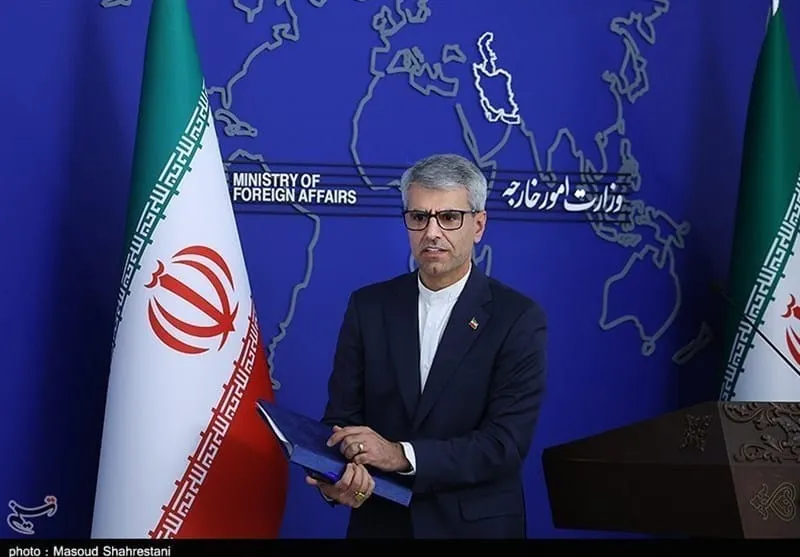
Iranian Foreign Ministry spokesman Esmaeil Baqaei welcomed the ceasefire, saying the halt in fighting was part of a ceasefire understanding between Iran and the U.S. mediated by Pakistan, reported Tasnim. He noted that Iran had, from the outset of its talks with various regional and international parties—including during the Islamabad negotiations—emphasized the necessity of establishing a simultaneous ceasefire across the entire region, including Lebanon, and had continued to seriously pursue this matter following the Islamabad talks.
Baqaei praised the “legendary resistance” of the Lebanese people and resistance fighters against the aggression and occupation by the Israeli regime, and expressed appreciation for Pakistan’s good offices, particularly over the past 24 hours, which ultimately led to the announcement of a ten-day ceasefire.
Baqaei stressed the necessity of the complete withdrawal of the Israeli regime from occupied areas in southern Lebanon, the release of all prisoners, the return of all displaced persons to their homes, and the reconstruction of Lebanon’s damaged areas and infrastructure with the assistance of the international community.
Iranian President Masoud Pezeshkian also express gratitude for the effforts of Pakistan during a meeting with Pakistani army chief Asim Munir in Tehran. Pezeshkian praised the commander’s effective role, as well as that of Pakistani Prime Minister Shehbaz Sharif, in the mediation process and facilitating the establishment of a ceasefire; he also appreciated the proper hosting of the Iranian delegation during the Islamabad negotiations with the U.S.