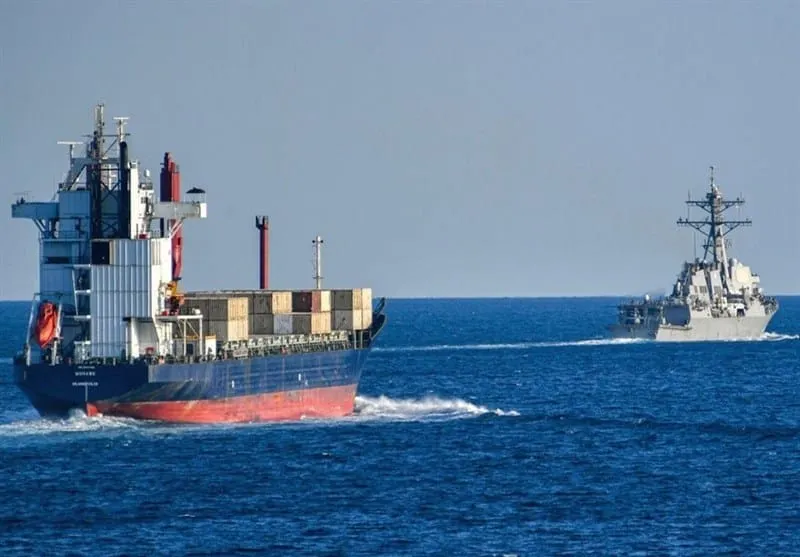
A June 30 report by the UN Trade and Development agency (UNTAD) warns that even as oil shipments via the Strait of Hormuz begin to increase in the wake of the current ceasefire, and energy prices begin to fall, the normalization of trade will take time: Freight contracts, supply chains and food systems will take longer to recover, and resulting high food costs are expected to contribute to acute malnutrition in vulnerable countries.
UNTAD warns that the effects of the energy price shocks will continue to be felt unevenly, reporting that 61 vulnerable countries (least-developed countries and small island nations) are subject to “dual exposure” to both oil and food price shocks. “Trade shocks hit hardest where the ability to cope is limited,” the report says. “Tighter public finances mean less room to cushion shocks, especially when vulnerable countries face difficulties to mobilize resources, domestically or externally, a heavy debt servicing burden and exchange rate risks associated with high levels of external debt, a drop in remittances that could cut off a financial lifeline for some economies, declining international aid.”
UNTAD also points to the fact that, especially in the post-COVID era, small changes in energy prices can have large and lasting impacts on inflation, with food prices of particular concern. “Short periods of unaffordable food can have lasting consequences” on acute child malnutrition, the document reports, citing a 2023 study of preschool children in 44 developing countries. The study concluded that a 5% rise in real food prices can increase child wasting—a measure of acute malnutrition strongly linked to early childhood mortality—by 9% among children under 5 and by 15% among poor children.