The following are summary notes on selected aspects of the world economic breakdown in production and access to food, fuel and fertilizer/chemicals as of the beginning of the fourth quarter of 2026. The process goes beyond the economic shockwaves that hit in the first weeks following the U.S.-Israeli attack on Iran.
FOOD. The production of total grains (all types combined) in the world—a metric for food sufficiency—is down, directly from the war-associated impact. Optimistic estimates report that the 2026/27 crop year will see a drop in the harvest of “only” 2.5 percent from the prior year (mostly rice and wheat), but as the planting/growing/harvest cycles proceed in the Northern and Southern Hemispheres, the losses will mount fast. This year’s world grains production projected in the range of 2.95 billion metric tons is far below the estimated 4 billion tons goal of sufficiency for the world, which has never been reached, even before the current logistics crises hit. (U.S. Department of Agriculture estimate
Overall, nearly 300 million people are in a severe food emergency; over 2 billion do not have an adequate diet. Extreme situations include Sudan, Afghanistan, Haiti.
FERTILIZER. Global fertilizer trade volumes dropped 20-25% from the beginning of the year to April, according to the UN Food and Agriculture Organization (FAO), and since then remain down. A “silent shift” by farmers to use less fertilizer, and/or cultivate less land and take other measures, is extensive in Africa and other locations immediately hit with impossible prices and shortages.
CHEMICALS. Sulfur prices are over 190% higher now than a year ago, a direct result of the constriction of the Strait of Hormuz, through which nearly half of world sulfur was shipped, as a by-product of treatment of sour gas and oil in the region. This has slammed world industry, especially fertilizer production.
Sulfur is used in the processing of phosphate and other fertilizers. In September, for example, Mosaic (Cargill)—one of the major suppliers of phosphate fertilizers in North America and worldwide, [issued a statement]( https://mosaicinlouisiana.com/Article/Mosaic's-Commitment-to-Louisiana-Remains-Strong) on why it has idled plants, laying off workers in Louisiana, because of “a global shortage and record high costs of sulfur.” Looking ahead? “We expect our phosphate operations in Louisiana to remain idled for an extended period.”
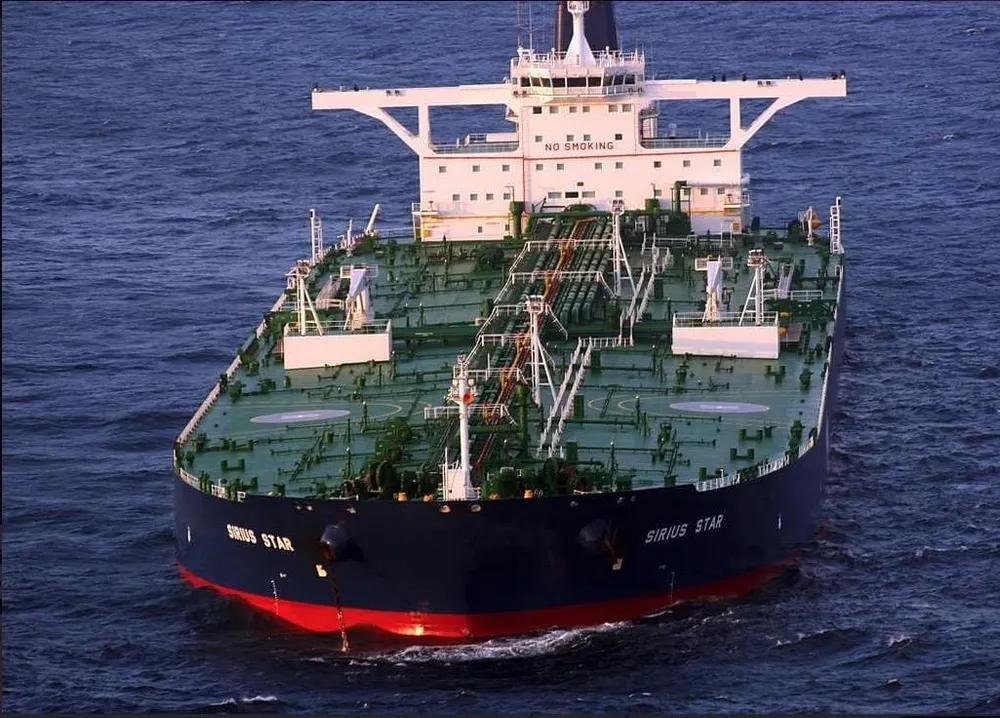
FUEL. Following the immediate shocks this Spring from disruption to oil shipments, and refined products, global oil inventories were drawn down, to where the current continued limited shipping automatically means high prices and soon, unprecedented shortages. In the second quarter of 2026, global inventories fell an average of 3.9 million barrels per day, and in the third quarter now ending, an additional drop of 3.0 mb/d is expected (U.S. Energy Information Administration.) This also reflects less demand from less economic activity, and from restricted refinery capacity.
Even before the Feb. 28 attack on Iran, global refinery capacity ran below demand. As of this Summer, global refinery operations in July were some 7.5 mb/d below the same month 2025. Gasoline, diesel, jet fuel, home heating oil, all products are short. As of the beginning of this year, world refining distillation capacity was estimated in the range of 103-106 mb/d (OPEC, IEA), with very little additional capacity coming on, and most of that planned for India, China, Africa, as well as the Middle East, which has been halted. Only 1-1.5 mb/d were expected in additional gross capacity, but even much of that was going to be offset by shutdowns.
The Ukrainian drone and missile strikes aimed at Russia’s refineries have taken a significant toll. Even by July—before more hits since then—Russian distillation operations fell as low as 3.6 mg/d that month, the lowest in 20 years, roughly one-third below the Summer season norm of 5.3-5.6 mb/d.